
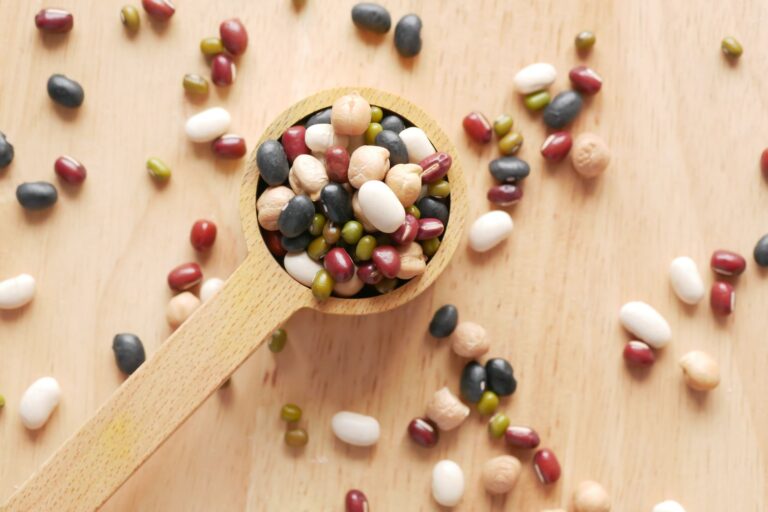
Plant-based eating has become a mainstream approach to nutrition, yet many people transitioning to this way of eating worry whether they can meet their daily protein requirements without animal products. Protein supports muscle maintenance, hormone production, immune function, and virtually every cellular process in the body, making adequate intake essential regardless of dietary choice. Understanding how to strategically combine plant foods ensures consistent protein consumption that meets individual needs.
Understanding Protein Requirements and Plant-Based Sources
Daily protein needs vary based on body weight, activity level, and age, typically ranging from 0.8 to 2.2 grams per kilogram of body weight depending on whether someone is sedentary or engaged in regular strength training. Plant-based proteins come from legumes (beans, lentils, peas), whole grains (quinoa, oats, brown rice), nuts, seeds, and soy products, each offering different amino acid profiles and nutrient densities. Unlike animal proteins that contain all nine essential amino acids in significant quantities, most individual plant sources are lower in one or more essential amino acids, a concept called amino acid incompleteness.
Research from the Academy of Nutrition and Dietetics published extensive data showing that well-planned plant-based diets support athletic performance and muscle development across all life stages. Athletes including ultramarathon runner Scott Jurek and tennis champion Venus Williams have maintained elite performance levels on plant-based diets, demonstrating that protein adequacy is achievable with proper food selection.
The Complete Protein Strategy Through Food Combining
Complete proteins contain all nine essential amino acids in adequate amounts, and while few plant foods qualify as complete proteins individually, combining different plant sources throughout the day creates complete amino acid profiles. The traditional pairing of grains and legumes—such as rice and beans, or lentils and whole wheat bread—provides complementary amino acids where legumes are high in lysine but lower in methionine, while grains are high in methionine but lower in lysine. This synergistic combination means that eating these foods within the same day, not necessarily at the same meal, allows the body to utilize the complete amino acid spectrum.
Soy products represent a notable exception, as soybeans and foods derived from them including tofu, tempeh, and edamame contain all nine essential amino acids in amounts comparable to animal proteins. A serving of tempeh provides approximately 19 grams of protein with a complete amino acid profile, making it particularly valuable for those seeking single-source complete proteins on a plant-based diet.
Nutrient Density and Bioavailability Considerations
Bioavailability refers to the percentage of a nutrient that the body can actually absorb and use, and plant proteins often have lower bioavailability than animal proteins due to compounds like phytic acid and tannins that can reduce mineral absorption. Processing methods significantly impact bioavailability; fermented soy products like tempeh and miso have higher digestibility than unfermented tofu, and sprouting legumes increases amino acid availability and reduces anti-nutrient compounds. Strategic preparation—soaking beans before cooking, fermenting grains, and combining protein sources with vitamin C-rich foods—enhances protein utilization and mineral absorption.
Studies measuring protein digestibility-corrected amino acid scores (PDCAAS), a metric that accounts for both amino acid content and digestibility, show that properly prepared plant-based meals can achieve scores comparable to animal proteins. Combining lentils with bell peppers and whole grain bread, for example, creates a meal with high bioavailability due to the vitamin C content enhancing iron absorption while the complete amino acid profile supports protein synthesis.
Historical Development of Plant-Based Protein Science
The understanding of plant-based protein adequacy evolved significantly throughout the 20th century as nutritional science advanced. Early nutritionists in the 1920s and 1930s viewed plant proteins as inherently inferior, but research beginning in the 1970s by nutritionists like Frances Moore Lappé demonstrated through “Diet for a Small Planet” that plant-based diets could meet all nutritional needs through thoughtful food combining. Subsequent decades of research refined this knowledge, moving beyond the strict requirement for amino acid complementarity at each meal to recognizing that the body maintains an amino acid pool throughout the day.
The 1980 publication of the American Journal of Clinical Nutrition’s landmark study on vegetarian athletes showed no performance differences when protein intake was adequate, regardless of source. This research validated what plant-based athletes had already discovered through practice: ultramarathon runner Brandy Erlanson completed 100-mile races on a plant-based diet during the 1990s, proving that endurance performance at elite levels was possible with plant protein sources.
Frequently Asked Questions
How much protein do plant-based eaters actually need per day?
The general recommendation of 0.8 grams per kilogram of body weight applies to plant-based eaters as it does omnivores, though some research suggests plant-based athletes may benefit from 1.6 to 2.2 grams per kilogram due to slightly lower bioavailability. A 70-kilogram person requires approximately 56 grams daily for basic maintenance, or 112 to 154 grams if engaged in regular strength training.
Can a person build muscle on a plant-based diet?
Muscle building requires adequate protein intake combined with resistance training and sufficient overall calories, all of which are achievable on a plant-based diet. Studies of plant-based athletes show muscle development comparable to omnivorous counterparts when protein intake meets individual needs, typically 1.6 grams per kilogram of body weight for those engaged in regular strength training.
Which plant foods provide the most protein per serving?
Soy products including tofu, tempeh, and edamame provide 15 to 19 grams of protein per serving, while legumes like lentils and black beans offer 15 to 18 grams per cooked cup, and nuts and seeds provide 5 to 10 grams per ounce. Nutritional yeast, a deactivated yeast product, delivers 8 grams of protein per two tablespoons and contains vitamin B12, making it particularly valuable for plant-based nutrition.
Meeting protein needs on a plant-based diet requires understanding individual requirements, selecting varied protein sources, and implementing preparation methods that maximize bioavailability. Strategic food combining, regular consumption of complete proteins like soy products, and attention to nutrient density create sustainable eating patterns that support health, performance, and long-term adherence to plant-based nutrition.
