
Key takeaways
- Perkins Restaurant & Bakery’s grilled salmon order delivers 869 calories, a figure that represents nearly five times the baseline calorie count of a plain 4-ounce fillet.
- The source of salmon matters considerably for calorie-conscious diners, as wild-caught salmon contains approximately 35 percent fewer calories than farmed varieties.
- California Fish Grill leads Las Vegas rankings with a 4.2-out-of-5 customer rating across 577 reviews, earning recognition for high-end yet affordable salmon preparations that prioritize ingredient quality.
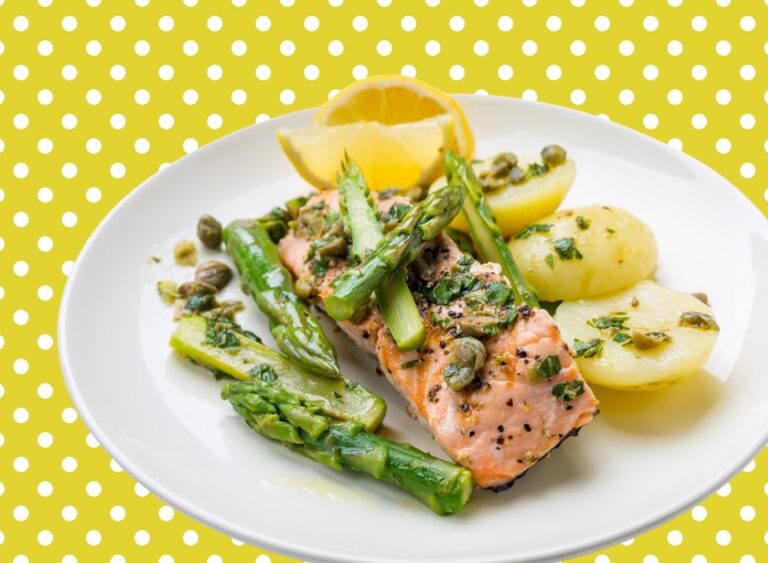
A standard 4-ounce grilled salmon fillet contains just 182 calories and 23.5 grams of protein, yet many seafood restaurant chains nearly quinuple that caloric load through sauces, sides, and preparation methods that obscure the fish’s nutritional value. Customer reviews across major chains reveal a stark divide between truly healthy salmon preparations and those that transform this omega-3 powerhouse into a calorie-dense entrée, with leading restaurants like California Fish Grill, BESO Restaurant, and J. Alexander’s emerging as top choices for diners prioritizing nutrition. Understanding which chain restaurants deliver genuine health benefits—rather than marketing claims—requires examining actual nutritional data and customer satisfaction metrics.
Restaurant Chain Salmon Preparations Vary Dramatically in Nutritional Density
Perkins Restaurant & Bakery’s grilled salmon order delivers 869 calories, a figure that represents nearly five times the baseline calorie count of a plain 4-ounce fillet. This preparation splits macronutrients at 28 percent carbohydrates, 50 percent fat, and 22 percent protein, meaning the dish provides 62 percent of daily fat intake and 52 percent of daily sodium (1,200 milligrams) in a single entrée. The addition of sides and sauces transforms what should be a lean protein source into a meal that challenges most dietary frameworks, particularly for those following Low-Carb or calorie-restricted protocols.
TGI Friday’s “Simply Grilled Salmon with Jasmine Rice & Lemon Butter Broccoli” follows a similar pattern, containing 870 calories with 45 grams of fat, 81 grams of carbohydrates, and 38 grams of protein per order. The sodium content reaches 2,020 milligrams—84 percent of the daily value—while saturated fat comprises 11 grams (55 percent of daily limits). These findings demonstrate that even dishes marketed with words like “simply” or “grilled” mask substantial additions of butter, rice, and high-sodium preparations that deviate significantly from the nutritional profile of salmon itself.
Wild-Caught Salmon Offers Superior Caloric Efficiency Compared to Farmed Options
The source of salmon matters considerably for calorie-conscious diners, as wild-caught salmon contains approximately 35 percent fewer calories than farmed varieties. A 100-gram serving of wild-caught salmon provides 153 calories, while the same portion of farmed salmon delivers 208 calories, translating to roughly 230 calories versus 240 calories in a standard 4-ounce raw portion. This distinction becomes meaningful when multiplied across multiple dining occasions or when working within strict macronutrient targets for weight loss or metabolic health protocols.
Restaurants that source wild-caught salmon gain a competitive advantage for health-focused diners, as the leaner fat profile of wild varieties naturally complements grilling methods that preserve nutritional integrity. Diners should inquire about salmon sourcing when ordering, as this single variable influences both the baseline nutritional content and the restaurant’s likely commitment to quality preparation methods.
Top-Rated Chains Emphasize Nutrient Density and Omega-3 Preservation
California Fish Grill leads Las Vegas rankings with a 4.2-out-of-5 customer rating across 577 reviews, earning recognition for high-end yet affordable salmon preparations that prioritize ingredient quality. BESO Restaurant achieves a 4.6-out-of-5 rating with 246 reviews, while Reddit users across multiple geographic markets—including Orlando residents citing Firebirds on Mills—consistently recommend specific chains that demonstrate attention to salmon preparation and sourcing. These customer-driven rankings reveal that diners actively seek and reward restaurants that deliver nutritional authenticity alongside culinary skill.
J. Alexander’s grilled salmon receives particular praise for its omega-3 fatty acid content, vitamin B12 density, potassium, and iron profile, with the preparation positioned as “relatively low in calories” compared to competing chain options. This positioning reflects a deliberate culinary strategy that prioritizes nutrient density over caloric excess, appealing to diners who understand that salmon’s health benefits derive from its micronutrient and fatty acid composition rather than portion size or sauce volume. The consistent customer preference for these establishments indicates growing market demand for restaurants that respect the nutritional integrity of their protein sources.
Home Grilling Techniques Replicate Restaurant Quality While Maintaining Nutritional Integrity
The Mayo Clinic-recommended grilling method for salmon—3 minutes per side with a 90-degree turn to create a crosshatch pattern—preserves heat-sensitive nutrients including omega-3 fatty acids and B12 while ensuring even cooking without overcooking. A home-prepared 4-ounce salmon fillet using this technique contains 200 calories, 10 grams of fat, 19 grams of protein, 7 grams of carbohydrates, and 1 gram of fiber, with minimal added sodium (½ teaspoon salt) and black pepper seasoning. This approach demonstrates that restaurant-quality texture and appearance can be achieved at home while maintaining a nutritional profile significantly superior to most chain restaurant versions.
Home cooks can replicate professional results using only two 4-ounce fillets and basic seasonings, eliminating the butter sauces, cream-based sides, and high-sodium preparations that characterize restaurant versions. This technique becomes particularly valuable for individuals following intermittent fasting, ketogenic, or strict calorie-counting protocols, where the difference between 200 calories and 870 calories determines whether a meal fits within daily targets.
Customization Options Allow Health-Conscious Diners to Modify Chain Restaurant Orders
Texas Roadhouse’s grilled salmon arrives with Parmesan mashed potatoes, roasted carrots, and baby broccoli, but diners can request jasmine rice as a substitute for potatoes to reduce carbohydrate and saturated fat intake while maintaining flavor compatibility with the whiskey black pepper glaze. This substitution strategy allows customers to work within existing menu frameworks while addressing specific dietary concerns, transforming potentially problematic orders into compliant meals for low-carb or weight-loss protocols.
Allergen and dietary modifications represent an underutilized resource at chain restaurants, as many preparations include high-sodium sauces, butter, and cheese that trigger concerns for individuals with hypertension, lactose intolerance, or soy allergies. Diners should consistently request low-sodium or dairy-free modifications when available, recognizing that kitchen staff at established chains can typically accommodate such requests without compromising food safety or quality.
Nutritional Transparency Drives Customer Decision-Making and Chain Competitiveness
The availability of detailed nutritional information—including calorie counts, sodium levels, and macronutrient breakdowns—enables customers to make informed choices that align with specific health objectives and dietary restrictions. Restaurants that provide this information transparently and achieve customer satisfaction ratings above 4.2 stars demonstrate that nutritional accountability correlates with market success and brand loyalty among health-conscious demographics.
Diners seeking grilled salmon at chain restaurants should prioritize establishments with strong customer reviews, confirmed sourcing of wild-caught varieties when possible, and willingness to modify preparations to reduce sodium and added fats. The 5-to-1 calorie difference between optimal and suboptimal chain restaurant preparations makes this due diligence essential for anyone using restaurant dining as part of a structured nutrition or weight management program.
