
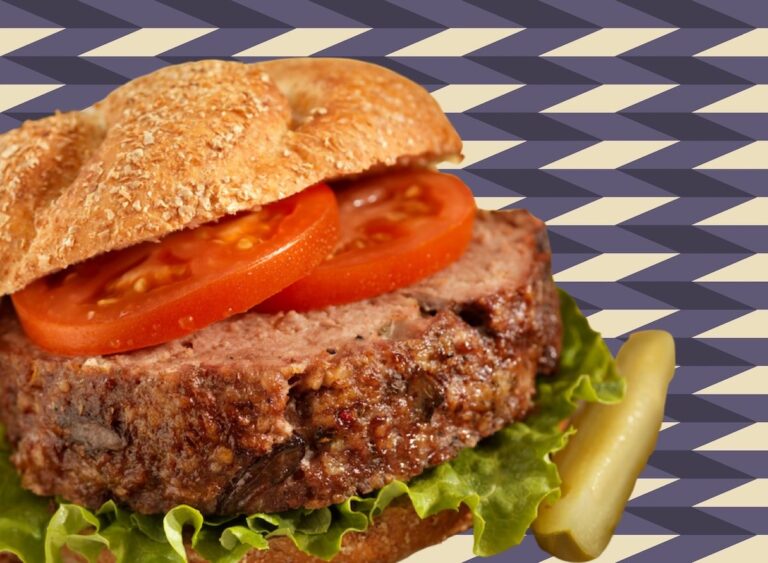
Key takeaways
- Five restaurant chains offer distinct takes on meatloaf sandwiches, ranging from classic condiment-based versions at Jack's and Marie Callender's to creative spins with specialty cheeses and regional ingredients at Bighorn Tavern, The Union Kitchen, and Cap City.
- Diners consistently praise the substantial portions and quality of ingredients across all five chains, with some noting portion sizes large enough to share or save for later.
- The meatloaf sandwich format works because it combines the familiar appeal of meatloaf with the convenience and textural variety that bread and toppings provide.
- Specialty variations—like Bighorn Tavern's pepperjack and jalapeño version, and The Union Kitchen's upscale brioche-based take—prove the format welcomes innovation without losing its essential character.
Meatloaf remains one of America’s most beloved comfort foods, but when served between bread, it becomes something even more appealing: a complete, handheld meal that delivers both satisfaction and portability. The meatloaf sandwich format allows diners to experience all the elements of a traditional plated meatloaf—the savory meat, the sauces, the vegetables—while adding the textural contrast of bread and the convenience of eating with one hand. Five restaurant chains have recognized the potential in this simple concept and developed meatloaf sandwiches that vary enough to justify ordering at each location, yet maintain the fundamental appeal that makes meatloaf itself endure.
What Makes a Meatloaf Sandwich Succeed
The anatomy of a meatloaf sandwich is straightforward but requires careful execution. The meatloaf itself provides the structural core—dense, flavorful, and filling enough to sustain a meal on its own. The bread choices matter significantly: a soft, yielding crumb that won’t fall apart when pressed, or a sturdy toast that adds textural contrast. Some chains opt for sourdough, others brioche or Texas toast, each bringing different qualities to the sandwich. Classic condiments—ketchup, mustard, mayonnaise, and gravy—contribute moisture and flavor, while toppings like lettuce, tomato, red onion, and pickles add crunch and acidity that cut through the richness of the meat. When these elements work in concert, the sandwich format actually improves upon plated meatloaf by making each bite a complete package of flavor and texture.
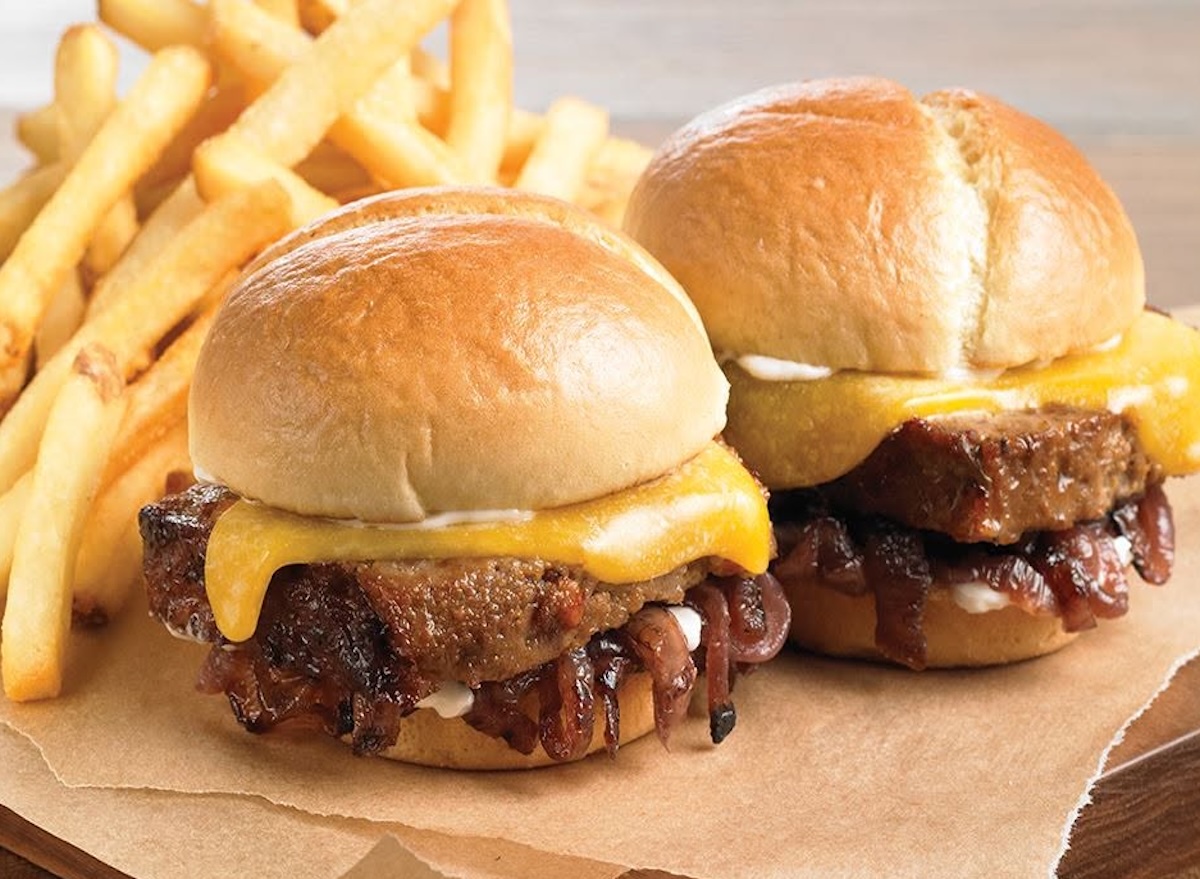
Jack’s Restaurant & Bar: West Coast Tradition
Jack’s Restaurant & Bar, operating as a West Coast chain, demonstrates how a restaurant can elevate the meatloaf sandwich through proprietary components. The chain’s Mama Eleni’s Meatloaf sandwich arrives on grilled sourdough with lettuce, red onion, pickles, and Jack’s Secret Sauce. The use of a house-made sauce rather than standard condiments signals an intention to differentiate from more casual approaches. A diner who visited Jack’s praised the food for being “excellent and fresh,” specifically highlighting the meatloaf sandwich as “amazing.” The same diner reported that the quality and portion size made the meal worth taking home, suggesting that Jack’s delivers volume alongside quality.
Marie Callender’s: The Reliable Standard
Marie Callender’s takes a more traditional approach with its Original recipe meatloaf sandwich, piled high with lettuce, tomato, and mayonnaise on grilled parmesan sourdough. By using an established original recipe rather than a house-made variation, Marie Callender’s signals consistency and familiarity. The parmesan crust on the sourdough bread adds a savory note that distinguishes it from plain sourdough, offering subtle complexity without overwhelming the meatloaf itself. A diner commented that the chain’s version proved “substantial, filling, and tasty,” adjectives that capture the essential promise of the format. The fact that this diner ordered other items and found both equally satisfying suggests that Marie Callender’s maintains consistent execution across its menu.
Elevated Spins on a Classic Format
Three chains have expanded the meatloaf sandwich concept by introducing regional ingredients, specialty cheeses, and upscale plating, each proving that variation need not undermine the fundamentals of the dish.
Bighorn Tavern: The Pepperjack Variation
Bighorn Tavern’s Meatloaf Melt reframes the sandwich as a single unified flavor experience rather than a collection of separate components. Housemade meatloaf and grilled onions pair with pepperjack cheese on jalapeno cheddar bread, creating a cohesive heat profile: the jalapeño in the bread, the pepper-jack cheese, and the natural sweetness of caramelized onions balance each other. One diner initially had doubts based on the menu photo, but the first bite converted skepticism into enthusiasm. They noted that “the perfect level of heat from the jalapeño bread and pepper-jack” worked as designed, with the sandwich being “such a great choice” that they planned to reorder. This level of specificity in feedback—praising not just that it was good, but explaining exactly why the combination of heat and other flavors succeeded—suggests Bighorn Tavern’s approach is genuinely novel.
The Union Kitchen: Upscale Presentation
The Union Kitchen elevates the meatloaf sandwich into fine-dining territory through upscale plating and sophisticated ingredients. The sandwich features toasted brioche, roasted poblano and cheddar mashed potatoes, mushroom veal demi glace, and crispy onion strings. A diner called it “a total presentation dish” that tasted equally impressive, describing two thick slices of meatloaf on toast with mashed potatoes and fried onion strings. The mushroom veal demi glace—a brown sauce built on meat stock and mushroom essence—signals serious culinary technique beyond what most sandwich shops attempt. The diner’s emphasis on both presentation and taste confirms that The Union Kitchen succeeds in transforming a comfort-food format into a genuinely upscale meal.
Cap City Fine Diner & Bar: The Melted Approach
Cap City Fine Diner & Bar positions its Diner Meatloaf Melt somewhere between traditional diner food and contemporary technique. The sandwich combines muenster cheese, lettuce, tomato, mayo, BBQ, and chili onion straws on Texas toast. The inclusion of BBQ sauce creates a regional inflection—suggesting a link to barbecue traditions—while maintaining the mayo-based structure of a classic sandwich. Chili onion straws offer a spicy, crispy garnish that adds textural interest beyond what lettuce and tomato alone provide. A diner who visited Cap City’s Grandview location reported satisfaction with both this sandwich and other menu items, noting that prices remained “good,” a detail that matters when assessing value at a diner.
Why the Format Endures Across Regions
That five separate chains—Jack’s, Marie Callender’s, Bighorn Tavern, The Union Kitchen, and Cap City—have each developed signature meatloaf sandwiches suggests the format taps into something fundamental about how diners want to eat. The sandwich is filling enough to work as a complete meal, familiar enough to feel like comfort food, yet flexible enough for each restaurant to express a distinct point of view. Whether prioritizing house-made components, specialty cheeses, regional ingredients, or fine-dining plating, restaurants can differentiate within the format without abandoning what made meatloaf sandwiches appealing in the first place. The consistency of positive reviews—diners describing sandwiches as “amazing,” “fantastic,” and worth returning for—suggests these aren’t gimmicky variations but genuine improvements on the classic.
Frequently Asked Questions
What bread options do these chains use for their meatloaf sandwiches?
Jack's uses grilled sourdough, Marie Callender's uses grilled parmesan sourdough, Bighorn Tavern uses jalapeno cheddar bread, The Union Kitchen uses toasted brioche, and Cap City uses Texas toast.
Which meatloaf sandwich is best for someone who likes spice?
Bighorn Tavern's Meatloaf Melt features pepperjack cheese and jalapeno cheddar bread that create a "perfect level of heat," while Cap City's includes chili onion straws for additional spice.
Are meatloaf sandwiches substantial enough for a complete meal?
Yes, diners consistently describe them as "substantial, filling," and hearty, with portions large enough that some diners shared them or took leftovers home.
