
Key takeaways
- Pacific Seafood Buffet pairs snow crab with clam chowder and diverse sides, compelling one guest to visit twice during the same Arizona vacation.
- UMI Hotpot Sushi & Seafood Buffet maintains constant ingredient rotation and operates ramen and hot pot stations alongside its all-you-can-eat snow crab legs.
- Supreme Crab Seafood Buffet combines rapid table clearing with garlic-seasoned crab and shrimp served both with and without heads.
- Crab N' Spice focuses seasoning on butter, garlic, and balanced heat rather than complex flavor combinations, according to diner feedback.
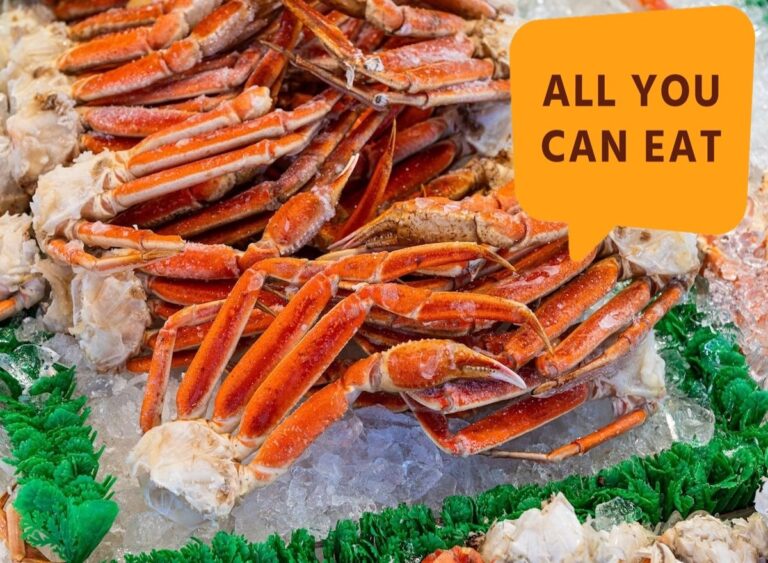
All-you-can-eat crab legs represent a distinctive category within the buffet dining landscape, appealing to seafood enthusiasts who value the combination of quality ingredients and unlimited portions. Not every buffet chain offers this model—the economic model demands careful sourcing and portion discipline. Five chains have successfully built concepts around all-you-can-eat crab legs, each with distinct operational and preparation approaches that appeal to different diner priorities.
Pacific Seafood Buffet’s Menu Breadth
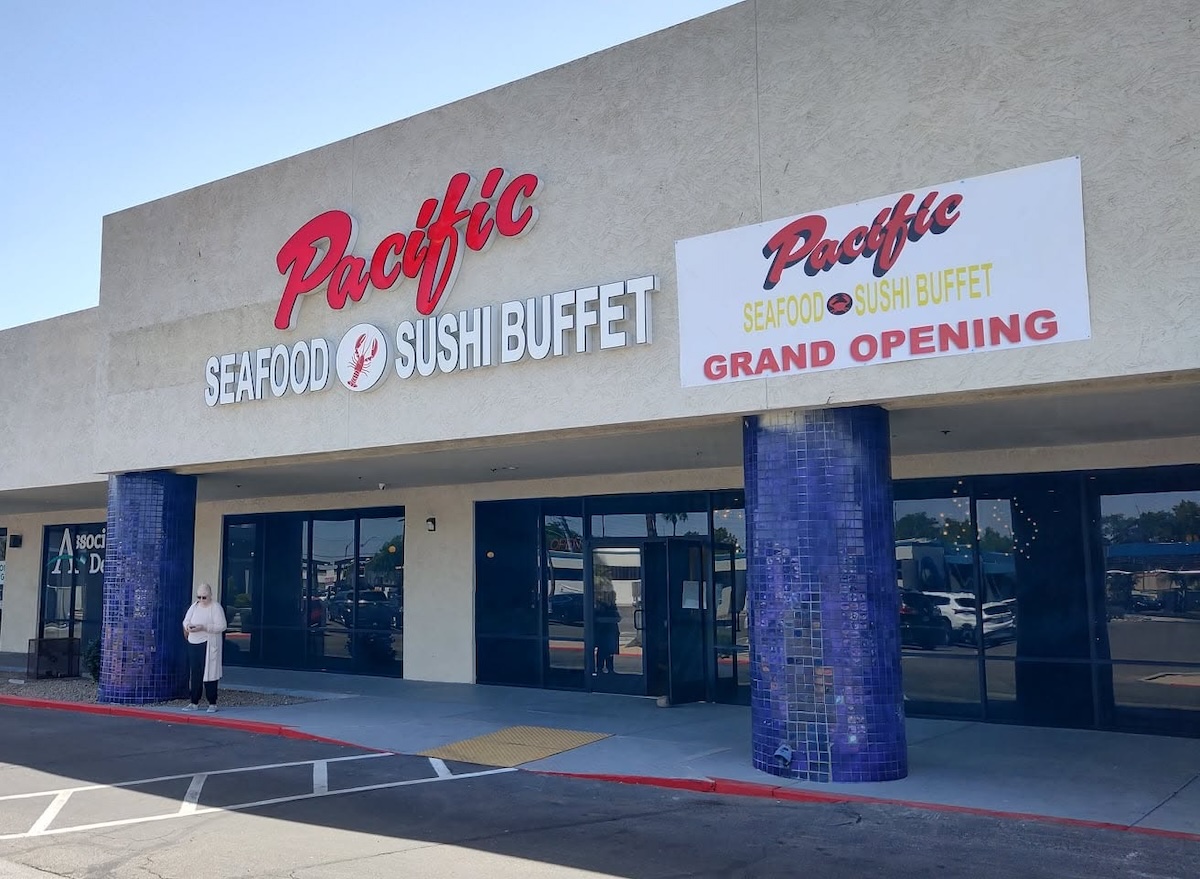
Pacific Seafood Buffet anchors its concept on snow crab legs while maintaining a diverse supporting menu. One visitor who found the experience compelling enough to visit twice during a single Arizona vacation provided detailed observation: “Really really good food. Many options to choose from. I especially enjoyed the clam chowder, and crab legs were a huge hit! We loved it so much we went TWICE while visiting AZ!” The fact that a guest returned within the same trip suggests the accompanying items—specifically the clam chowder mentioned—elevated the overall value proposition beyond crab alone. The variety of options allows diners to build diverse plates rather than returning repeatedly for the same protein.
UMI Hotpot Sushi & Seafood Buffet’s Operational Model
Fresh Ingredient Rotation
UMI Hotpot Sushi & Seafood Buffet centers its menu on snow crab legs while building operational discipline around freshness. One guest described the breadth and execution: “Huge variety of seafood, sushi, hot pot, and cooked dishes, plus the food stays fresh and constantly replenished.” The emphasis on constant replenishment throughout service hours represents an operational commitment that distinguishes this location from buffets where inventory may sit extended periods between refreshes. Fresh ingredients directly impact both taste perception and diner confidence in food safety—a critical factor in buffet dining.
Multi-Method Cooking Stations
Beyond the traditional buffet service, UMI operates dedicated cooking stations. The same guest highlighted personal preferences: “The crab legs, ramen station, and hot pot were my favorites.” The integration of a ramen station alongside live hot pot cooking requires a kitchen designed to execute multiple cooking methods in parallel. This operational model demands staff trained in both traditional seafood preparation and short-order cooking technique. The hot pot component in particular allows diners to cook proteins to their preferred doneness immediately before consumption.
Supreme Crab Seafood Buffet’s Service Focus
Table Management Efficiency
Supreme Crab Seafood Buffet operates a self-service model with notably efficient table clearing. One customer emphasized this operational distinction: “Food was delicious and service was awesome. Even though it’s a serve yourself they cleaned the plates super fast.” In all-you-can-eat buffets, perceived value is partly determined by the ease of returning to the line—faster plate removal eliminates the awkwardness of navigating around full tables or waiting for surface space. This operational detail affects the fundamental pacing of the dining experience.
Protein Sourcing and Seasoning Technique
The kitchen sources shrimp in two distinct presentations, offering choice within the buffet format. A visitor provided specific preparation notes: “Shrimp was soft and seasoned. Both with heads and without. Crab legs had a garlic seasoning that was delicious.” The garlic treatment applied during cooking rather than offered as a tableside condiment represents a distinct preparation choice. The provision of heads-on shrimp suggests sourcing from suppliers that can meet specific specifications, not commodity-level seafood.
Captain George’s Seafood Restaurant’s Portion Model
Captain George’s Seafood Restaurant operates in a traditional sit-down format with all-you-can-eat crab. One diner noted the portion-quality relationship: “Good for all you can eat crab legs! Crab legs are on the smaller size, but very tasty! Food was great!” The smaller portion size appears to be an intentional operational choice, likely influencing the unit economics while allowing the kitchen to focus on cooking technique and freshness rather than bulk. Diners benefit from the higher turnover that smaller portions enable.
Crab N’ Spice’s Seasoning-Forward Concept
Crab N’ Spice builds its seafood boil concept on layered seasoning and flavor intensity. One guest provided granular feedback on execution: “The seafood was fresh, hot, and perfectly cooked. The seasoning and sauces were honestly the best part — so flavorful, buttery, garlicky, and packed with just the right amount of spice.” The specific callouts—butter, garlic, and spice balance—indicate the kitchen prioritizes fundamental seasoning techniques over complex or trendy flavor combinations. The “right amount of spice” notation suggests intentional tuning to avoid overwhelming the natural protein flavors.
Selecting Based on Your Priorities
When evaluating all-you-can-eat crab destinations, weigh these distinct characteristics:
- Ingredient freshness and consistent rotation throughout service hours favor UMI Hotpot Sushi & Seafood Buffet
- Operational efficiency and rapid table service stand out at Supreme Crab Seafood Buffet
- High-quality complementary items and menu variety characterize Pacific Seafood Buffet
- Bold seasoning execution and precise temperature control define Crab N’ Spice
- Traditional seafood restaurant setting with quality-focused portion sizing identify Captain George’s Seafood Restaurant
Frequently Asked Questions
Which chain emphasizes fresh ingredient rotation?
UMI Hotpot Sushi & Seafood Buffet maintains constant replenishment throughout service hours and operates multiple cooking stations including ramen and hot pot alongside the crab legs.
What seasoning approach does Crab N' Spice use on its crab?
Crab N' Spice prioritizes fundamental seasoning technique with butter, garlic, and carefully balanced spice rather than complex flavor combinations.
How do portions differ between these chains?
Captain George's Seafood Restaurant serves smaller crab leg portions in a sit-down format, while Supreme Crab and UMI operate self-service or station-based models with larger portions available.
