
Key takeaways
- T-bone steaks deliver a macronutrient profile that aligns perfectly with restrictive diet protocols, particularly ketogenic and intermittent fasting approaches.
- Steakhouse chains typically serve T-bone steaks in three standard cuts: half-pound (8 ounces), three-quarter pound (12 ounces), and full pound (16 ounces) portions.
- Texas Roadhouse has earned specific recognition for excellence with bone-in cuts and kabob presentations, delivering consistent quality across its steakhouse portfolio.
- T-bone steaks are frequently served raw or undercooked according to customer specification, a practice that demands awareness among diners with compromised immune systems or specific food-safety concerns.
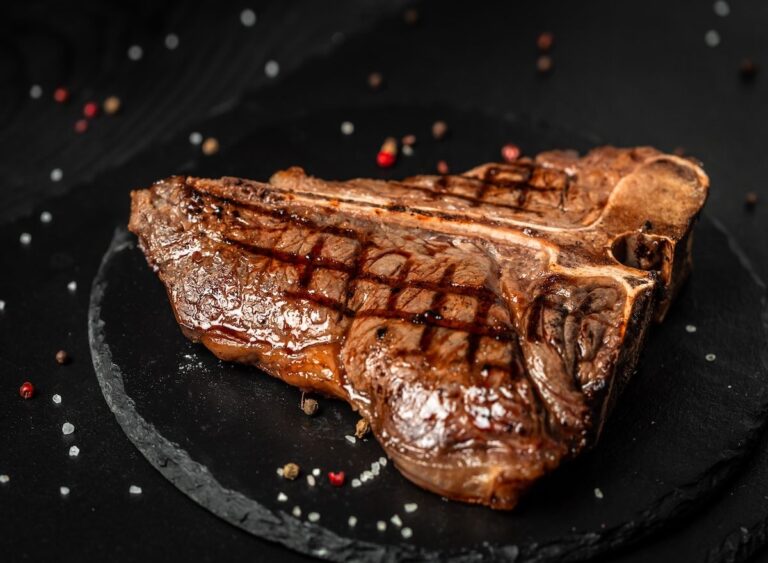
An 8-ounce T-bone steak delivers 656 calories, 56 grams of protein, and zero carbohydrates, making it a nutritional powerhouse for diners following ketogenic and Low-Carb protocols. Texas Roadhouse, LongHorn Steakhouse, Cattlemen’s, and Saltgrass Steak House have emerged as the top-rated chains for T-bone quality according to diner reviews and expert assessment. The distinction between these steakhouse chains reflects significant variations in cut thickness, seasoning, cooking technique, and overall value proposition for consumers seeking premium beef experiences.
Nutritional Profile: Why T-Bone Steaks Dominate Keto and Low-Carb Dining
T-bone steaks deliver a macronutrient profile that aligns perfectly with restrictive diet protocols, particularly ketogenic and intermittent fasting approaches. The zero-carbohydrate composition across all standard portion sizes—whether 4 ounces, 8 ounces, or a full pound—means these cuts produce zero blood glucose spike and maintain stable insulin levels, critical requirements for sustained ketosis. This glycemic index of zero distinguishes T-bone steaks from virtually all other restaurant proteins when paired with non-starchy side dishes.
A standard 8-ounce T-bone contains 18.9 grams of saturated fat, which supports the fat-burning metabolic state required for ketogenic protocols. The same 8-ounce serving provides 7.5 milligrams of iron—representing 41 percent of the daily value—and 562.1 milligrams of potassium at 12 percent of daily requirements. Per 100-gram servings, T-bone steaks also deliver 4.7 milligrams of zinc and selenium, micronutrients essential for thyroid health, immune function, and antioxidant defense against free radicals.
Portion Sizes and Caloric Density: Strategic Ordering for Different Goals
Steakhouse chains typically serve T-bone steaks in three standard cuts: half-pound (8 ounces), three-quarter pound (12 ounces), and full pound (16 ounces) portions. A 4-ounce mini-portion contains approximately 328 calories and serves meal-prep diners or light eaters seeking T-bone flavor without the caloric load of larger cuts. The 8-ounce serving—the industry standard—provides 656 calories with a macronutrient breakdown of 37 percent protein, 63 percent fat, and zero percent carbohydrates.
For diners ordering full 16-ounce T-bones, the nutritional commitment reaches 1,312 calories, 112 grams of protein, and 90.7 grams of fat, maintaining the zero-carb advantage while demanding portion-control awareness for calorie-conscious consumers. The 63 percent fat content across all portions reflects the high caloric density inherent to bone-in beef cuts, yielding approximately 223 calories per 100 grams. This density makes T-bone steaks particularly satiating for intermittent fasting protocols, where single meals must deliver sustained satiety across extended fasting windows.
Top-Rated Chains: Diner Preferences and Quality Distinctions
Texas Roadhouse has earned specific recognition for excellence with bone-in cuts and kabob presentations, delivering consistent quality across its steakhouse portfolio. LongHorn Steakhouse stands out for “big steak out” experiences, catering to diners seeking larger, premium T-bone portions for special occasions and high-volume protein consumption. Both chains receive consistent praise from diner communities for proper seasoning, appropriate cooking temperatures, and thick-cut presentation that resists the common industry problem of thin, tough steaks.
Cattlemen’s and Saltgrass Steak House round out the four-chain consensus for T-bone excellence, each delivering regional variations on preparation and presentation while maintaining the zero-carb nutritional advantage. Negative reviews from competing establishments frequently cite thin cuts, inadequate seasoning, and improper cooking temperatures—particularly overcooking—as quality failures, with some diners reporting $27 T-bones described as “thin and tough with no seasoning and a slab of butter.” This price-to-quality disconnect underscores the value proposition offered by the top-rated chains, where thickness, seasoning precision, and cooking technique justify premium pricing.
Cholesterol and Saturated Fat Considerations for Heart-Conscious Diners
Each 100-gram serving of T-bone steak contains 80 milligrams of cholesterol and approximately 11.4 grams of total fat, with significant saturated fat content that demands awareness from diners managing cardiovascular health metrics. The 18.9 grams of saturated fat in an 8-ounce serving represents approximately 95 percent of the daily recommended saturated fat intake for a 2,000-calorie diet. For heart-health-focused consumers, grilling techniques that render additional fat away from the meat surface offer a practical mitigation strategy without sacrificing the nutritional benefits of the protein itself.
Diners with cholesterol management protocols should consider the 4-ounce or 8-ounce portions rather than full 16-ounce cuts, distributing cholesterol intake across multiple meals rather than consuming 160 milligrams in a single dining experience. The high iron content (41 percent of daily value per 8 ounces) and zinc levels provide offsetting nutritional benefits for cardiovascular function and metabolic health, though individual dietary protocols should guide portion selection and meal frequency.
Food Safety and Preparation Standards Across Premium Chains
T-bone steaks are frequently served raw or undercooked according to customer specification, a practice that demands awareness among diners with compromised immune systems or specific food-safety concerns. The bone-in structure of T-bone cuts requires specific knife techniques and cooking precision to ensure proper temperature penetration throughout the meat while maintaining the desired doneness level. Top-rated chains like Texas Roadhouse and LongHorn Steakhouse have established protocols for temperature verification and consistent cooking execution across their steakhouse locations.
Diner reviews consistently note that properly seasoned steaks with appropriate cooking temperatures distinguish premium chains from lower-quality establishments where overseasoning or underseasonng masks or fails to complement the beef’s natural flavors. The combination of thick-cut presentation, proper seasoning, accurate temperature control, and bone-in presentation defines the steakhouse standards that elevate T-bone experiences above commodity beef offerings at casual dining chains.
Strategic Selection for Restrictive Diet Success
The zero-carbohydrate, high-protein, high-fat macronutrient profile of T-bone steaks positions these cuts as cornerstone proteins for ketogenic, intermittent fasting, and low-carb dining protocols. Diner communities and steakhouse chains have established clear quality hierarchies, with Texas Roadhouse, LongHorn Steakhouse, Cattlemen’s, and Saltgrass Steak House consistently delivering the thickness, seasoning precision, and cooking execution that justify premium pricing. The distinction between 4-ounce, 8-ounce, 12-ounce, and 16-ounce portions allows strategic meal planning based on individual caloric targets and satiety requirements across different dietary protocols.
Selecting top-rated chains ensures that diners receive properly prepared T-bones that deliver the full nutritional advantage of this premium cut while avoiding the thin, tough, underseasoned offerings that plague lower-tier steakhouse establishments. The combination of established diner consensus, nutritional density, and preparation consistency makes T-bone steaks at these four chains reliable anchors for meal planning across restrictive diet frameworks.
