
Key takeaways
- Captain D’s Deluxe Seafood Platter presents a moderate-calorie compromise, containing 1,100 calories per serving with 67 grams of carbohydrates, 75 grams of fat, and 36 grams of protein.
- Expert sourcing analysis reveals that every freezing cycle degrades seafood quality, with flavor and texture loss accumulating through frozen distribution chains.
- Diners maintaining ketosis or tracking net carbohydrates should avoid Bubba Gump’s chicken tenders and prioritize Legal Sea Foods’ pure seafood composition or Pappadeux’s steamed vegetable side selections.
O’Charley’s Seafood Platter delivers nearly a full day’s calorie intake in a single meal, containing 1,950 calories with 121 grams of fat and 2,970 milligrams of sodium. Health-conscious diners seeking sampler platters at major seafood chains now face a critical choice between indulgent, high-calorie options and moderate alternatives that still deliver variety without nutritional excess. Five restaurant chains stand out for offering distinct approaches to seafood samplers, each with measurable nutritional profiles and customization strategies that cater to different dietary goals.
O’Charley’s Sets the High-Calorie Benchmark for Fried Seafood Samplers
O’Charley’s Seafood Platter exemplifies the extreme caloric density of chain fried seafood offerings, providing 1,950 calories per serving with a macronutrient breakdown of 29 percent carbohydrates (141 grams), 56 percent fat (121 grams), and 15 percent protein (71 grams). This single platter delivers 127 percent of the daily protein value and 32 percent of daily fiber (9 grams), making it nutritionally unbalanced toward fat and sodium. The 2,970 milligrams of sodium represents 129 percent of the daily value, establishing O’Charley’s as the benchmark for understanding what “indulgent” truly means in chain restaurant seafood service.
The standard fried seafood platter across the industry contains significantly less per serving—266 calories with 51 percent fat (15 grams), 27 percent carbohydrates (18 grams), and 22 percent protein (16 grams). This energy density of 228 kilocalories per 4 ounces indicates that frying remains the universal cooking method at major chains, consistently elevating saturated fat intake. The gap between O’Charley’s full platter and a single fried component reveals how portion size and ingredient variety drive the caloric explosion that defines sampler platters.
Captain D’s and Legal Sea Foods Offer Strategic Alternatives at Different Price Points
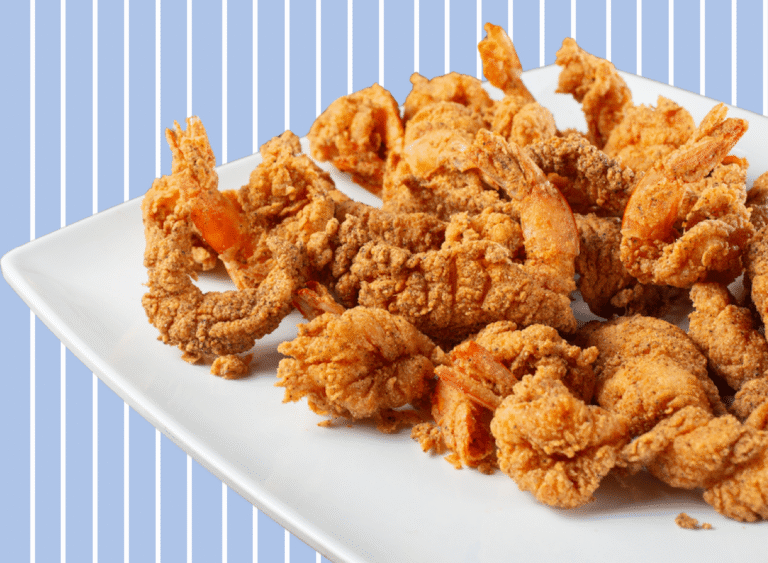
Captain D’s Deluxe Seafood Platter presents a moderate-calorie compromise, containing 1,100 calories per serving with 67 grams of carbohydrates, 75 grams of fat, and 36 grams of protein. This option delivers substantially lower caloric intake than O’Charley’s while maintaining robust protein content, making it accessible for health-conscious diners who refuse to sacrifice the sampler experience. At approximately $12.50, Captain D’s positions itself as the budget-friendly entry point into chain seafood platter dining.
Legal Sea Foods’ Fisherman’s Platter, priced at approximately $45, features fried shrimp, whitefish, scallops, and calamari—a composition that prioritizes ingredient diversity over caloric restraint. The inclusion of scallops and calamari alongside traditional fish and shrimp creates textural variety that distinguishes Legal Sea Foods from competitors, while the premium price reflects sourcing strategy and ingredient quality. Bubba Gump Shrimp Co.’s Sampler Platter ($35) includes fried catfish, shrimp, crawfish, and chicken tenders, introducing a unique deviation by incorporating poultry that likely increases carbohydrate load through batter content and poses concerns for diners maintaining ketosis or tracking net carbs.
Pappadeux Offers Maximum Customization for Glycemic Index Control
Pappadeux Seafood Kitchen’s Forrest’s Seafood Feast ($40) stands as the most customizable platter option, featuring two fried catfish fillets, shrimp, oysters, stuffed crab, and stuffed shrimp with a critical choice between two side dishes. Diners can select steamed broccoli or green beans to lower glycemic impact, or upgrade to mac and cheese or loaded baked potatoes for indulgent alternatives. This flexibility directly enables nutritional control without sacrificing the sampler experience, making Pappadeux the optimal choice for Meal Prep strategies and dietary customization.
The inclusion of oysters and stuffed crab alongside fried catfish creates a balanced protein portfolio where high-protein, lower-fat seafood options counterbalance the fried components. Red Lobster’s platter ($30) pairs beer-battered fish, fried scallops, fried shrimp, and french fries with lemon service, leveraging citric acid’s chemical properties to cut richness and improve palatability without adding sodium or fat. This practical application of acidity demonstrates how simple additions—lemon juice or zest—reduce perceived heaviness and enable home cooks to recreate sampler platters with lower caloric perception.
Frozen Versus Fresh Sourcing Reveals Hidden Quality and Allergen Risks
Expert sourcing analysis reveals that every freezing cycle degrades seafood quality, with flavor and texture loss accumulating through frozen distribution chains. Fresh prawns boiled at sea and local rockfish varieties deliver superior nutritional profiles compared to cheap, frozen lobster or pre-battered fish that masks meat quality and inflates sodium content. Chain restaurants relying on frozen, pre-battered inventory introduce hidden sodium and create allergen risks for shellfish-sensitive diners who cannot verify ingredient freshness or cross-contamination protocols.
The distinction between frozen and fresh sourcing directly impacts protein bioavailability and mineral retention, particularly for diners using seafood samplers as primary protein sources in restrictive diet protocols. Pappadeux’s customizable side selections and Legal Sea Foods’ premium ingredient approach suggest higher-quality sourcing compared to budget-tier chains, though this remains unverified without direct supplier access. Red Lobster’s lemon service indicates awareness of flavor compensation strategies, suggesting potential reliance on lower-quality frozen components that require acidic enhancement to mask deterioration.
Nutritional Strategy Determines Which Chain Serves Your Dietary Goals
Diners maintaining ketosis or tracking net carbohydrates should avoid Bubba Gump’s chicken tenders and prioritize Legal Sea Foods’ pure seafood composition or Pappadeux’s steamed vegetable side selections. O’Charley’s extreme caloric density makes it unsuitable for weight-loss protocols, while Captain D’s 1,100-calorie profile offers a sustainable middle ground for occasional indulgence. Red Lobster’s lemon service and Pappadeux’s customizable sides enable practical sodium and fat reduction without menu substitution.
The sampler platter category reveals a clear stratification: budget chains (Captain D’s, Red Lobster) emphasize volume and affordability at moderate caloric cost; mid-tier options (Bubba Gump) introduce unique ingredients but compromise macronutrient ratios; premium chains (Legal Sea Foods, Pappadeux) prioritize ingredient quality and customization flexibility. Health-focused diners selecting samplers based on protein-to-fat ratios and side customization options position themselves to maximize nutritional value while preserving the variety experience that defines platter dining. The 1,950-calorie extreme at O’Charley’s versus the 1,100-calorie moderate at Captain D’s demonstrates that chain selection directly determines whether sampler platters fit sustainable eating patterns or function as occasional caloric splurges.
