
Key takeaways
- Captain D’s leads the field with a tiered pricing structure that makes fried seafood accessible to budget-conscious diners.
- Captain D’s further extends its bargain positioning with an “All-You-Can-Eat Fried Fish ” special priced at $19.99, which includes endless fried shrimp and fish alongside all-you-can-eat sides.
- Long John Silver’s pioneered the “fried fish basket” concept as a fast-food meal, fundamentally influencing how the entire category operates today.
- The economics of cheap fried seafood rest on standardized ingredient composition and preparation methods that allow chains to maintain low prices while delivering consistent results.
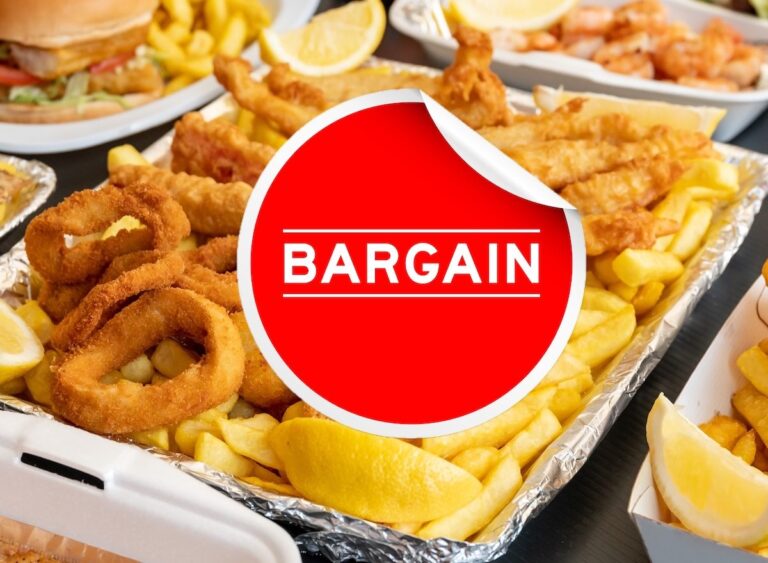
Captain D’s offers the lowest-priced fried seafood dinners across major American restaurant chains, with a $5.99 Fried Cod Dinner anchoring its bargain menu. Diners consistently rank Captain D’s, Long John Silver’s, and Culver’s as the top destinations for affordable fried fish, shrimp, and scallop meals that deliver quality at price points between $5.99 and $8.99. These chains have captured customer loyalty by bridging the gap between fast-food speed and seafood-restaurant quality, creating a competitive category that now defines budget-conscious seafood dining across the United States.
Captain D’s Dominates the Bargain Fried Seafood Market
Captain D’s leads the field with a tiered pricing structure that makes fried seafood accessible to budget-conscious diners. The chain’s menu includes the $5.99 Fried Cod Dinner (the absolute lowest price point for a single-portion fried seafood dinner among major chains), the $7.99 Fried Icelandic Haddock Dinner, the $7.99 Fried Shrimp Dinner, the $8.99 Fried Bay Scallop Dinner, and the $7.99 Fried Clam Dinner. Each meal comes complete with sides, positioning Captain D’s as the most affordable option in the seafood chain category.
What distinguishes Captain D’s from competitors is its reputation for quality ingredients at competitive prices. Diners describe the chain’s fried menu as “surprisingly good,” citing a balance between fast-food efficiency and seafood-restaurant preparation standards. This positioning matters because Captain D’s prices fall significantly below the $12.90–$26.99 range charged by premium chains like Bluesalt Fish Grill or Spud Fish & Chips, yet the quality perception remains elevated compared to traditional fast-food fish offerings.
Long John Silver’s and Culver’s Round Out the Top Three
Long John Silver’s, historically recognized as the “OG Seafood Fast Food Champion,” continues to compete aggressively with its $5.99 two-piece fried fish deal. This meal includes two white fish fillets (typically cod, haddock, or halibut), one side, and hush puppies—a corn-based fritter—making it a high-volume meal that delivers substantial portions for under $6. The fish fillets are coated in a crispy batter made from flour and cornstarch, a preparation method that has become the standard across the fast-seafood category and defines customer expectations for texture and consistency.
Culver’s differentiates itself through ingredient sourcing rather than price alone. The Wisconsin-based chain serves “Fresh-Never-Frozen” fish, a key differentiator from the frozen fillets used by many competitors. This sourcing approach allows Culver’s to command competitive pricing under $10 for a basket while delivering a superior texture and flavor profile that justifies the premium over Long John Silver’s offerings. For diners seeking quality without paying ocean-prime restaurant prices, Culver’s fresh fish approach represents an elevated bargain option.
The All-You-Can-Eat Game Changer
Captain D’s further extends its bargain positioning with an “All-You-Can-Eat Fried Fish” special priced at $19.99, which includes endless fried shrimp and fish alongside all-you-can-eat sides. This offering transforms the value proposition for large groups and high-volume eaters, reducing the per-ounce cost significantly below standard $5.99–$8.99 single dinners. The all-you-can-eat format represents a strategic evolution in how chains compete on value, shifting from portion-based pricing to unlimited consumption models.
This development signals a broader trend in the seafood chain category: competition now centers on maximizing perceived value through multiple pricing tiers rather than competing solely on individual meal prices. Diners can choose between budget single-portion meals, standard dinner specials, or unlimited consumption options depending on appetite and party size, creating multiple entry points into the Captain D’s customer base.
How Fried Fish Became a Fast-Food Staple
Long John Silver’s pioneered the “fried fish basket” concept as a fast-food meal, fundamentally influencing how the entire category operates today. This historical innovation established consumer expectations for what a “bargain” fried seafood meal should include: a protein-forward main, predictable sides, and aggressive pricing. While newer chains like Culver’s have emerged with fresh-fish differentiators and Captain D’s has captured market share through quality-at-value positioning, Long John Silver’s remains the benchmark for the classic, batter-heavy fried fish experience that defined the category for decades.
The bargain fried seafood category now encompasses multiple quality tiers and sourcing philosophies, yet all major chains trace their operational DNA to Long John Silver’s original formula. This historical continuity explains why fried fish remains one of the most stable and predictable menu categories across American restaurant chains, with pricing and preparation methods that have remained largely consistent across generations of diners.
Understanding the Ingredient Profile Behind the Bargain
The economics of cheap fried seafood rest on standardized ingredient composition and preparation methods that allow chains to maintain low prices while delivering consistent results. White fish fillets—cod, haddock, or halibut—form the protein foundation because these species are abundant, relatively inexpensive, and mild-flavored enough to appeal to broad customer bases. The flour-and-cornstarch batter coating creates the signature crispy exterior that diners expect, with cornstarch being the technical key to achieving crunchiness at scale.
Hush puppies serve as the traditional side dish accompanying these bargain meals, particularly at chains with Southern heritage. These corn-based fritters are cost-effective to produce and pair predictably with fried fish, though diners with specific dietary restrictions should note that hush puppy recipes may vary in allergen content depending on whether eggs, dairy, or wheat flour appear in the batter formulation. Understanding these ingredient foundations helps diners make informed choices about which bargain options align with their nutritional priorities.
What Diners Should Monitor in the Fried Seafood Market
The fried seafood bargain category continues to evolve as chains experiment with sourcing innovations (fresh versus frozen), portion structures (single meals versus all-you-can-eat), and quality positioning (fast-food speed versus restaurant-grade ingredients). Captain D’s all-you-can-eat offering and Culver’s fresh-fish commitment represent the most significant recent developments, suggesting that future competition will center on differentiation through sourcing and consumption models rather than price-point competition alone.
Diners seeking the best value in fried seafood should compare across these three leaders based on personal priorities: Captain D’s for lowest absolute pricing and unlimited options, Long John Silver’s for the classic bargain fried fish experience, and Culver’s for fresh-fish quality at competitive prices. As chains continue refining their value propositions, the bargain fried seafood category remains one of the most accessible and stable segments of American casual dining.
