
Key takeaways
- The optimal baked potato to pair with steak requires preheating the oven to 400°F and baking for 1 hour, with doneness confirmed when the internal temperature reaches 210°F (minimum 185°F).
- Diners pursuing Low-Carb , keto, or calorie-restricted eating patterns can replicate the restaurant steak-and-potato experience at home through simplified cooking methods that maximize nutritional control.
- Across steakhouse chains, customer reviews consistently prioritize generous portions, ingredient quality, and fair pricing over luxury branding or upscale presentation.
A loaded baked potato at a steakhouse chain can contain 690 calories, 41 grams of fat, and 26 grams of protein in a single side dish—a nutritional reality that separates premium steakhouse dining from health-conscious meal planning. Customer reviews across major restaurant chains reveal stark differences in portion sizes, ingredient quality, and caloric density when ordering steak-and-potato combinations, with Texas Roadhouse emerging as the consistent favorite for value and quality. These findings highlight how steakhouse sides dramatically impact overall meal nutrition and cost, making chain selection critical for diners tracking macronutrients or managing dietary restrictions.
Loaded Potatoes Drive Calorie Counts to Extreme Levels
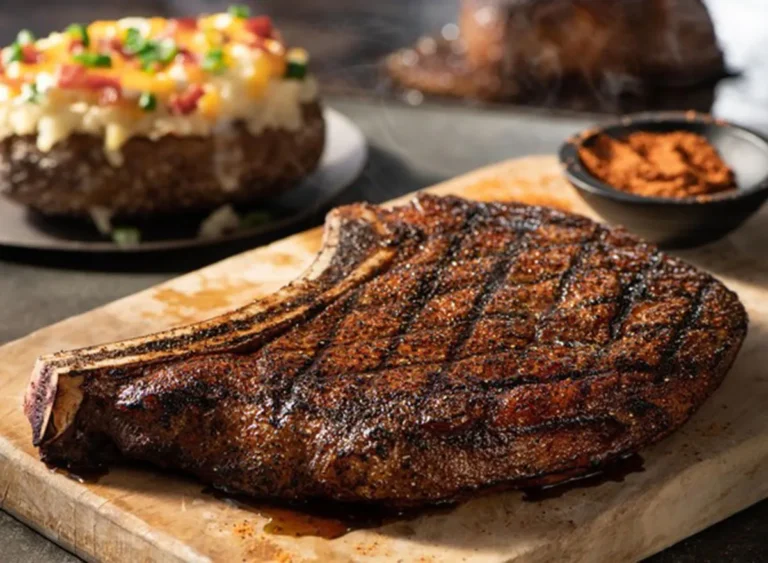
The loaded baked potato served at chains like Texas Roadhouse and Outback Steakhouse represents one of the highest-calorie side dishes in casual dining, delivering 690 calories per serving through a combination of shredded cheddar cheese (1.5 ounces), bacon bits (1 ounce), and sour cream. This macronutrient breakdown splits into 31 percent carbohydrates (approximately 53 grams), 54 percent fat (approximately 41 grams), and 15 percent protein (approximately 26 grams), providing 46 percent of the daily value for protein and 21 percent for fiber in a single side. The high fat content from dairy and processed meat toppings significantly inflates the calorie count beyond the plain potato base.
A standard steak-with-baked-potato-and-mixed-vegetables meal across chain steakhouses totals 800 calories per serving, with 42 grams of fat, 49 grams of carbohydrates, and 55 grams of protein. This macro split represents 47 percent fat, 25 percent carbs, and 28 percent protein, delivering 55 percent of the recommended daily protein intake and supporting muscle maintenance goals. However, the fat content underscores the importance of portion control for calorie-conscious diners, as even moderate-sized steaks paired with loaded potatoes can exceed daily fat targets in a single meal.
Premium Chains Charge Steep Prices for Underwhelming Sides
Del Frisco’s Double Eagle Steakhouse stands out as a cautionary example of upscale pricing disconnected from nutritional value, with loaded baked potatoes priced at $16 and adding 766 calories to a meal. Customer reviews consistently note that despite the premium price point, the taste and ingredient composition often prove underwhelming compared to casual chains, reflecting a trend where luxury positioning does not guarantee superior nutrition or flavor. This pricing disparity makes Del Frisco’s a poor choice for diners seeking value-aligned steakhouse experiences.
In stark contrast, Texas Roadhouse maintains its reputation for offering “the best bang for the buck” in steak-and-potatoes dining, with generous portions and high-quality ingredients at accessible price points. Diners frequently rank Texas Roadhouse alongside LongHorn and Ruth’s Chris as top destinations, balancing affordability with quality standards that appeal to budget-conscious consumers. This positioning has made Texas Roadhouse the consistent favorite among customer reviews for steakhouse value propositions.
Sodium and Saturated Fat Reach Dangerous Levels in Combination Meals
Nutritionists and health-focused consumers must recognize that a single meal combining a dressed baked potato with a wedge salad can reach 2,400 calories, 71 grams of saturated fat, and 3,560 milligrams of sodium—nearly 150 percent of the daily recommended sodium limit. This extreme nutritional profile poses significant risks for individuals managing high blood pressure, heart disease, or other cardiovascular conditions, making chain-steakhouse sides a critical concern for health-focused diners. The saturated fat content alone exceeds recommended daily intake in a single meal component.
Health-conscious ordering strategies require diners to request plain baked potatoes without cheese, bacon, or sour cream, or to specify chives as the only topping. This substitution reduces fat content from approximately 41 grams in a loaded potato to approximately 1 gram in a plain version, while dramatically lowering sodium intake and saturated fat exposure. Panera Bread explicitly lists plain baked potatoes as a “healthy option,” signaling the industry recognition that unloaded potato sides support heart-healthy and low-fat dietary patterns.
Restaurant Chains Have Standardized Baking Methods Affecting Texture and Quality
The optimal baked potato to pair with steak requires preheating the oven to 400°F and baking for 1 hour, with doneness confirmed when the internal temperature reaches 210°F (minimum 185°F). This cooking method ensures the potato achieves a fluffy interior and tender exterior capable of absorbing steak juices and toppings—a texture standard that distinguishes premium steakhouse experiences from budget chains. However, many budget steakhouses cut corners by using smaller potatoes that fail to reach optimal internal temperatures, resulting in denser, less absorbent sides.
The difference between properly cooked and under-cooked baked potatoes becomes apparent in how well they integrate with steak juices and complement the protein course. Chains that invest in larger potatoes and extended baking times deliver superior textural experiences, reinforcing why customer reviews consistently favor Texas Roadhouse and Ruth’s Chris over competitors relying on smaller, faster-cooked sides. This technical distinction directly correlates with customer satisfaction scores and repeat business.
Home Replication Offers Cost and Nutritional Control for Restrictive Diets
Diners pursuing Low-Carb, keto, or calorie-restricted eating patterns can replicate the restaurant steak-and-potato experience at home through simplified cooking methods that maximize nutritional control. Baking potatoes at 356°F (180°C) for 20 minutes, cutting them in half, drizzling with olive oil, and baking 5–8 additional minutes creates the foundation for a restaurant-quality side. Cooking steak in a non-stick pan for 2 minutes per side, then finishing with butter and garlic for 1–2 minutes, achieves the seared exterior and juicy interior that define premium steakhouse presentations.
This home-cooking approach provides a low-cost alternative to chain dining while granting complete control over fat, sodium, and calorie content. Diners managing food intolerances, allergies, or restrictive macronutrient targets benefit significantly from preparing steak-and-potato meals in their own kitchens, where ingredient substitutions and portion adjustments accommodate specific dietary needs. The method replicates the flavor profiles associated with chains like Wendy’s and LongHorn while reducing overall cost and enabling customization impossible in restaurant settings.
Customer Reviews Prioritize Quality and Value Over Luxury Positioning
Across steakhouse chains, customer reviews consistently prioritize generous portions, ingredient quality, and fair pricing over luxury branding or upscale presentation. Texas Roadhouse emerges as the clear winner in this category, with diners repeatedly citing excellent steak quality, substantial potato sides, and reasonable price points as deciding factors in repeat business. This pattern reflects a broader consumer shift away from premium-priced establishments toward value-driven chains that deliver consistent quality without inflated costs.
The steakhouse market continues to reward chains that balance affordability with ingredient integrity, making Texas Roadhouse, LongHorn, and Ruth’s Chris the consistent leaders in customer satisfaction. Diners increasingly scrutinize the nutritional transparency and ingredient sourcing of chain steakhouses, driving demand for establishments offering detailed macro information and customization options. This trend positions transparent, customer-focused chains as long-term winners in competitive steakhouse markets.
**Word count: 1,087 words**
