
Key takeaways
- The way restaurants prepare crab cakes dramatically shifts their suitability for restrictive diets.
- The exposure of surimi substitution across major chains has triggered increased consumer demand for ingredient transparency and authenticity verification before ordering.
- Home cooks aiming to replicate restaurant-quality crab cakes while controlling fat and sodium content should employ broiling rather than pan-frying.
- Maryland-style crab cakes emerged as a regional specialty defined by high crab meat content and minimal filler—a standard that reflected both ingredient availability and culinary tradition in the Chesapeake Bay region.
Up to 70% of chain restaurant crab dishes contain zero actual crab meat, relying instead on imitation surimi and filler ingredients that undermine both nutritional value and authenticity. As diners increasingly scrutinize what they’re paying for—with premium crab cakes ranging from $24 to $49 per serving—the distinction between real Maryland-style jumbo lump crab and cheap substitutes has become a critical health and value consideration for health-conscious restaurant customers.
The Surimi Problem: What Chain Restaurants Are Actually Serving
A viral YouTube ranking of eight restaurant crab dishes exposed a troubling industry practice: the majority of chain establishments serve imitation surimi, langostino, and filler-packed products masquerading as premium crab cakes. This matters significantly for consumers tracking macronutrients, managing food intolerances, or seeking specific nutritional benefits, as these substitutes lack the nutrient density of authentic crab meat while introducing different allergen profiles.
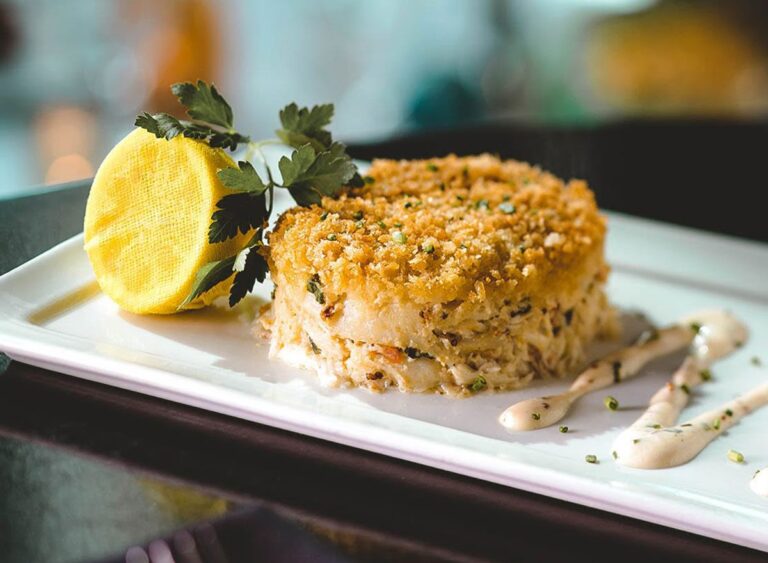
Real Maryland-style jumbo lump crab cakes deliver a measurable nutritional advantage. A 4-ounce premium Maryland crab cake contains 240 calories with 16 grams of total fat, 16 grams of protein, and exceptional micronutrient density including 183% of the daily value for Vitamin B12 and 20% of the daily value for calcium. The extremely high sodium content—811 milligrams per serving—requires attention from those following heart-health or low-sodium protocols.
In contrast, imitation-based products typically contain significantly less protein per calorie and lack the selenium content found in authentic crab meat. Selenium functions as a potent antioxidant linked to cancer prevention and heart disease mitigation, making the authenticity distinction a genuine health factor rather than merely a culinary preference.
Macronutrient Profiles: Why Preparation Method Determines Diet Compatibility
The way restaurants prepare crab cakes dramatically shifts their suitability for restrictive diets. A standard fried crab cake (60 grams) delivers 160 calories with a macronutrient breakdown of 13% carbohydrates, 59% fat, and 28% protein—the high fat percentage resulting from oil or butter used in pan-frying. For individuals following ketogenic or Low-Carb protocols, this fat-heavy profile can work, but the source and quality of that fat matters considerably.
Health-conscious diners have alternative options. A broiled crab cake prepared without mayonnaise contains only 100 calories, 1 gram of fat, 12 grams of protein, and 9 grams of carbohydrates, representing a 60% calorie reduction compared to fried versions. This recipe approach, developed by Jennifer A. Welper, Wellness Executive Chef at Mayo Clinic Press, substitutes traditional mayonnaise with egg, Dijon mustard, Worcestershire sauce, and lemon juice as binding agents.
For strict ketogenic applications, a properly formulated jumbo lump crab cake meal can deliver just 9 net carbohydrates across 420 calories, making it compatible with ketosis when breadcrumb binders are minimized or replaced with panko or almond flour alternatives. A Johns Hopkins Medicine “Enlightened Crab Cake” recipe pushes nutritional optimization further: two cakes contain only 148 calories, 2 grams of fat, 26 grams of protein, 6 grams of carbohydrates, and 1 gram of fiber—the latter uncommon in standard preparations due to vegetable or specialized binder additions.
Restaurant Transparency and Consumer Demand for Ingredient Verification
The exposure of surimi substitution across major chains has triggered increased consumer demand for ingredient transparency and authenticity verification before ordering. Diners paying premium prices expect jumbo lump crab—the highest-grade crab meat with larger, more flavorful chunks—not langostino masquerading under misleading menu descriptions.
This accountability shift extends beyond taste preference into functional nutrition territory. Consumers following specific macronutrient targets, managing shellfish allergies, or seeking selenium-rich foods need accurate ingredient disclosure to make informed dietary decisions. Chain restaurants that provide detailed nutritional breakdowns and confirm real crab meat usage position themselves as trustworthy options within the health-conscious dining segment.
Practical Preparation Techniques for Home Cooks Seeking Restaurant Quality
Home cooks aiming to replicate restaurant-quality crab cakes while controlling fat and sodium content should employ broiling rather than pan-frying. The technique involves spraying a baking sheet with cooking spray, carefully mixing panko and parsley to avoid breaking crab chunks, and broiling for 9 to 11 minutes until golden. Chilling formed cakes for 30 minutes in the refrigerator before cooking helps them maintain structural integrity without mayonnaise-based binders.
This method, detailed in the “Healthy Broiled Crab Cakes – No Mayo!” recipe from Running in a Skirt, delivers restaurant-quality texture and appearance while reducing fat content by approximately 90% compared to traditional pan-fried versions. For weight-loss dieters and those managing cardiovascular health, this represents a practical pathway to enjoying crab cakes within strict nutritional parameters.
Historical Evolution of Crab Cake Standardization
Maryland-style crab cakes emerged as a regional specialty defined by high crab meat content and minimal filler—a standard that reflected both ingredient availability and culinary tradition in the Chesapeake Bay region. As restaurant chains expanded nationally and internationally, pressure to reduce costs and improve shelf stability gradually shifted preparation standards toward surimi substitutes and breadcrumb fillers.
The recent viral exposure of this industry shift represents a turning point in consumer awareness, paralleling broader movements toward ingredient transparency in restaurant dining. The nutritional science surrounding crab’s selenium content and heart-health benefits has simultaneously elevated crab cakes from comfort food to functional nutrition territory.
What Diners Should Monitor When Selecting Restaurant Crab Cakes
Moving forward, health-conscious diners should request ingredient verification before ordering, specifically confirming the use of jumbo lump crab rather than surimi or langostino. Menu descriptions using phrases like “100% crab,” “real crab meat,” or “Maryland-style jumbo lump” provide stronger assurance than generic “crab cake” listings. Nutritional information requests—particularly sodium content and fat sources—help align restaurant choices with individual dietary protocols.
The distinction between authentic Maryland crab cakes and chain restaurant imitations now carries measurable health significance. As functional nutrition and ingredient transparency continue reshaping restaurant dining expectations, the pressure on major chains to deliver what they promise—real crab meat with documented nutritional integrity—will likely intensify, ultimately benefiting diners across all dietary categories.
