
Key takeaways
- Chain restaurant seafood menus present a nutrient overload problem that extends far beyond simple calorie counts.
- Red Lobster’s salmon entrées emerge as among the healthiest options available on mainstream chain menus, delivering approximately 500 calories per plate while maintaining a substantial protein profile.
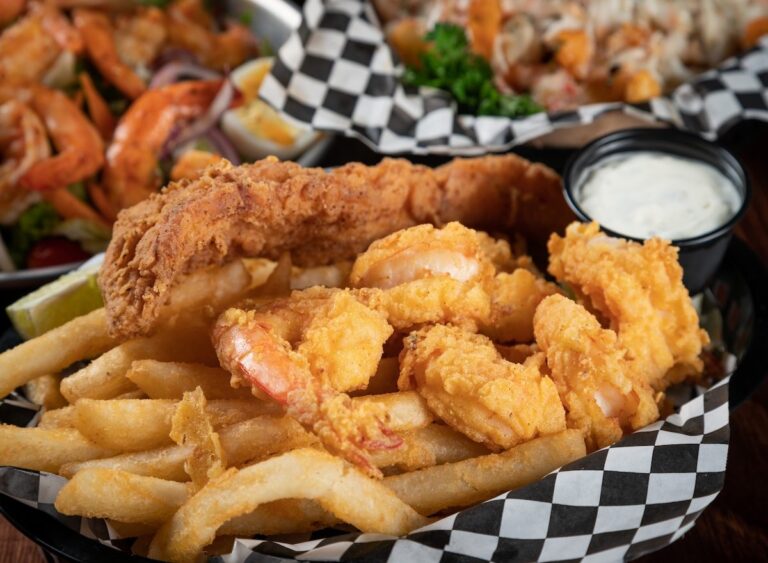
- Most fried seafood platters arrive with french fries as the default side, a choice that undermines the health profile of the entire meal.
- Real diners at chain restaurants have begun prioritizing grilled and boiled preparations over fried versions, recognizing that cooking method represents the single most controllable variable in reducing caloric density.
A standard serving of fried fish at U.S. chain restaurants contains approximately 400 calories, while grilled fish delivers only 125 calories—a 275-calorie difference that represents a 68% reduction in energy density. Real diners selecting seafood platters from major chains face a critical nutritional crossroads: choosing between convenience-focused fried options and health-aligned grilled alternatives that deliver identical protein benefits without the oil absorption penalty. This disparity drives the most consequential decision diners make when ordering at seafood-focused chains like Red Lobster, Legal Sea Foods, and Bubba Gump Shrimp Co.
The Caloric and Nutritional Reality of Chain Restaurant Seafood
Chain restaurant seafood menus present a nutrient overload problem that extends far beyond simple calorie counts. The average seafood menu item at U.S. chain restaurants provides 49–61% of the daily saturated fat limit, 65% of the daily sodium limit, and 58–71% of total daily protein requirements for adult men and women in a single meal. This means that one fried fish or shrimp platter can consume nearly two-thirds of a diner’s recommended daily sodium intake before any additional meals or beverages are consumed.
The composition of these platters reveals why the nutritional burden is so substantial. Fried seafood platters typically combine multiple protein sources—such as the Forrest’s Seafood Feast at Bubba Gump Shrimp Co., which includes two fried fish fillets, six fried shrimp, two seafood stuffed crab shells, and hush puppies for $12.50—creating an economical value proposition that masks serious cardiovascular and metabolic consequences. A larger seafood platter at Weathervane Seafood Restaurants demonstrates this pattern clearly: 520 calories, 28 grams of fat, 25 grams of carbohydrates, 110 milligrams of cholesterol, and 43 grams of protein per serving.
Identifying the Healthiest Options Across Major Chains
Red Lobster’s salmon entrées emerge as among the healthiest options available on mainstream chain menus, delivering approximately 500 calories per plate while maintaining a substantial protein profile. This represents a direct substitution opportunity for diners who want seafood without the high fat and sodium content of fried platters. Unlike the 1,000+ calorie fried platters that dominate many menus, these salmon entrées fit comfortably within a standard 500-calorie meal definition while preserving the nutritional integrity of the protein source.
Beyond cooked fish, raw oysters represent the lowest-calorie seafood option available at restaurant chains. A typical serving of a half-dozen raw medium oysters (85 grams) contains only 69 calories, making them significantly lower in energy density than fried fish while maintaining exceptional nutrient density. Boiled seafood options—including boiled shrimp, boiled snow crab legs, and crawfish—offer another pathway to reduce calories and saturated fat while retaining protein content, since boiling avoids the oil absorption inherent in frying. A specific shrimp dish at Weathervane Seafood Restaurants demonstrates this advantage: just 80 calories, 13 grams of protein, 3 grams of carbohydrates, and 60 milligrams of sodium per serving.
The Side Dish Problem and Vegetable Substitutions
Most fried seafood platters arrive with french fries as the default side, a choice that undermines the health profile of the entire meal. Harvard Nutrition Source guidelines explicitly state that potatoes do not count as vegetables on the Healthy Eating Plate due to their negative impact on blood sugar. Since french fries are potatoes, they provide no nutritional benefit of vegetables and spike blood sugar in ways that conflict with weight management and metabolic health objectives.
Diners seeking to align seafood platters with heart-healthy dietary guidelines should substitute french fries with steamed vegetables or slaw whenever possible. A larger seafood platter at Weathervane Seafood Restaurants included 6 grams of fiber—likely from slaw—which demonstrates that vegetable-based sides can meaningfully improve the nutritional profile of an otherwise fat-heavy meal. This single substitution transforms a platter from a cardiovascular risk into a balanced protein-and-vegetable combination.
Real Diner Selections and Practical Ordering Strategies
Real diners at chain restaurants have begun prioritizing grilled and boiled preparations over fried versions, recognizing that cooking method represents the single most controllable variable in reducing caloric density. Cajun-style seafood chains like 7Spice have responded to this demand by explicitly marketing boiled shrimp and boiled snow crab legs as “delicacies without the extra calories” compared to fried versions. This positioning reflects broader consumer awareness that cooking method—not the seafood protein itself—drives the nutritional difference between a healthy meal and a high-fat trap.
The price-value equation that makes fried platters attractive ($12.50 for Bubba Gump’s Forrest’s Seafood Feast) becomes a liability rather than an asset when health outcomes are factored into the equation. Diners selecting from chain menus should request grilled or boiled preparations, substitute potato-based sides with vegetables, and choose salmon entrées or oyster appetizers over traditional fried platters. These decisions reduce caloric intake by up to 68% while maintaining identical protein delivery and nutritional benefit.
Evolution of Chain Restaurant Seafood Menus Over Time
Chain restaurant seafood menus have historically prioritized fried preparations because frying increases perceived value, extends shelf life, and masks quality variation in raw ingredient sourcing. The persistence of high-fat, high-sodium platters reflects decades of menu engineering designed around convenience and cost reduction rather than nutritional optimization. However, the emergence of grilled and boiled options at major chains indicates a gradual shift toward accommodating health-conscious diners without abandoning the high-margin fried offerings that drive profitability.
Red Lobster’s emphasis on salmon entrées and the availability of boiled seafood options across regional chains demonstrate that the infrastructure to support healthier choices already exists within major restaurant systems. The gap between available options and diner selection reflects information asymmetry: most customers remain unaware that a single fried platter can consume 65% of their daily sodium allowance or that grilled alternatives deliver identical protein with 68% fewer calories.
Monitoring Menu Changes and Nutritional Transparency
The next critical development to monitor is whether major chains will implement more transparent nutritional labeling on physical menus and digital platforms, making the caloric and sodium differences between preparation methods immediately visible to diners. As cardiovascular disease and metabolic dysfunction continue to drive healthcare costs, regulatory pressure on chain restaurants to provide actionable nutritional information will likely increase. Diners should actively request detailed nutritional information before ordering and specify cooking preferences—grilled, boiled, or steamed—rather than accepting default fried preparations.
The selection of fish and shrimp platters at restaurant chains ultimately reflects the tension between economic incentives favoring fried preparations and health outcomes favoring grilled alternatives. Diners armed with specific knowledge about caloric disparities, sodium limits, and cooking methods can navigate these menus effectively, selecting options that deliver seafood’s protein benefits without the cardiovascular and metabolic risks of standard fried platters. The platters that deliver genuine value are those that prioritize health outcomes alongside taste and price.
