
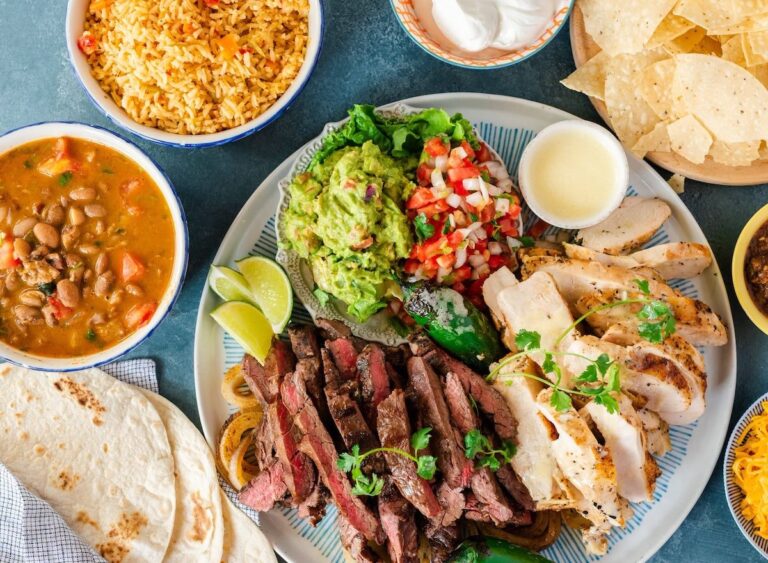
Key takeaways
- Mesquite grilling at Pappasito's Cantina produces beef so tender diners describe it as unexpectedly excellent, with honey-glazed quail adding genuine variety.
- El Torito delivers fajitas that arrive hot and sizzling with generous portions, addressing the common chain-restaurant problem of lukewarm service.
- Fajita Pete's serves up to a pound of chicken per order, with shrimp and beef options, and side dishes that complete the meal rather than leaving diners hungry.
- Uncle Julio's executes Tex-Mex fajitas with perfectly seasoned steak and sautéed vegetables, creating both visual and aromatic appeal that diners remember.
Fajitas hold a special place in casual dining because they deliver restaurant-caliber spectacle to the table without requiring formal service. The sizzle, the aroma rising from the hot plate, the immediate ritual of assembling each bite—these elements make fajitas feel like an occasion even on an ordinary weeknight. But not all fajitas perform equally. The difference between memorable and forgettable comes down to cooking method, ingredient quality, and the precision of preparation. Four major restaurant chains stand out for consistently delivering fajitas that diners actually talk about afterward.
Mastering the Fundamentals of Great Fajitas
Cooking Method Determines Tenderness and Flavor
The protein in fajitas must arrive at the table tender and flavorful, never tough or dry. This requires both the right cut of meat and the right heat source. Some chains understand this instinctively; others deliver mediocre results from a griddle in the kitchen that produces meat lacking depth. Mesquite grilling, wood smoke, and careful marinading create fundamentally different results than standard stainless-steel cooking surfaces. Temperature control matters too—meat needs high initial heat to develop a flavorful crust but must be cooked to the exact moment it reaches tenderness, not beyond.
Vegetable Preparation and Presentation Matter
The vegetables accompanying fajitas deserve as much attention as the protein. Onions and peppers need proper seasoning and should be sautéed to the point where they soften and caramelize slightly, developing sweetness to balance the savory meat. When diners receive fajitas with properly cooked vegetables, the entire dish tastes more intentional and professional. Careless vegetable preparation undermines even high-quality meat.
Tortillas and Sides Create or Break the Meal
Fresh flour tortillas, served warm and in adequate quantity, distinguish chain restaurants that care about execution from those simply going through the motions. The sides—rice, beans, guacamole, pico de gallo—either complement or distract, depending on their quality. A meal built on premium protein can be ruined by stale tortillas or rushed sides.
Pappasito’s Cantina: The Mesquite Standard
Pappasito’s Cantina operates with a clear commitment to traditional cooking method. Their fajitas are grilled over a mesquite fire, a choice that immediately separates their approach from standard restaurant griddles. Mesquite imparts a distinct flavor that can’t be replicated with propane or electricity. Each order arrives with fresh flour tortillas, rice, frijoles a la charra (charred beans), pico de gallo, and guacamole—a straightforward lineup that lets the quality protein shine.
The chain’s combo plate exemplifies their range. One diner who ordered the combo plate with beef fajitas, quail, and shrimp brochettes shared this assessment: “We shared the combo plate of beef fajitas, quail and shrimp brochettes. Wow, just wow… That beef may have been the most tender beef I’d ever eaten. Did not expect that whatsoever. That quail? It was honey glazed and deliciously tender. Again, shocked at how good it was.”
This reaction captures what separates Pappasito’s from chains that treat fajitas as a commodity. The beef tenderness suggests careful sourcing and precise timing. The honey-glazed quail indicates creativity within the fajita concept—these aren’t just chicken and steak variations but genuine alternative proteins prepared with care.

El Torito: The Heat and Portion Standard
El Torito approaches fajitas with emphasis on generous plating and temperature consistency. Their version arrives with rice, frijoles de la olla (pot beans), guacamole, sweet corn cake, and the choice of flour or corn tortillas. The combination suggests Mexican heritage in the bean preparation (de la olla means literally “from the pot,” indicating a traditional method) while offering diners flexibility in tortilla selection.
One customer’s experience illustrates El Torito’s strength: “The fajitas were excellent and came out hot and sizzling, with great flavor and generous portions. They were cooked perfectly and made for a really satisfying lunch.” The emphasis on heat and generous portions addresses a common complaint at chain restaurants—fajitas that arrive lukewarm or underfilled. El Torito’s consistency delivers on both fronts.
Fajita Pete’s: Volume and Customization
From Single Diners to Family Specials
Fajita Pete’s structures their menu to accommodate different party sizes and appetites. They offer dine-in and to-go fajitas ranging from single-diner portions to family specials, recognizing that fajita appetite varies dramatically. A solo business lunch needs a different portion than a family of five.
Each order includes the core delivery: fresh tortillas, shredded cheese, pico de gallo, lettuce, and guacamole, all plated on a bed of grilled onions and topped with a jalapeño. This presentation—arranging components on grilled onions rather than a bare plate—adds texture and flavor integration. Every order also comes with beans, rice, chips, and salsa, building a complete meal that prevents the “I’m still hungry” problem some chain fajitas create.
Protein Quantity and Range
One diner’s description captures what Fajita Pete’s delivers: “Super tasty food! Always get their fajita chicken and at least a pound of it! Also we love the shrimp and beef! The flavor is amazing and so good. Definitely get the queso because it’s the best.” The specific mention of “at least a pound” of chicken indicates portion scale that satisfies. The diner’s rotating protein choices (chicken, shrimp, beef) and specific praise for the queso suggest Fajita Pete’s succeeds across their full menu, not just one standout item.
Uncle Julio’s: Tex-Mex Execution
Uncle Julio’s positions their fajitas squarely in the Tex-Mex tradition, which emphasizes the Americanized interpretation of Mexican flavors—bolder, sweeter, more meat-forward than strictly regional Mexican cooking. A diner captured the Uncle Julio’s experience this way: “They are simply outstanding. The sizzling platter arrives at your table with tender, perfectly seasoned steak, accompanied by flavorful sautéed onions and peppers. The aroma alone is enough to make your mouth water. The quality of the meat and the careful preparation truly set these fajitas apart.”
This description emphasizes the sensory experience: the aroma factor, the visual drama of the sizzle, the tenderness of the meat, the care in seasoning and vegetable preparation. Uncle Julio’s apparently understands that fajitas sell as much through presentation and aroma as through actual taste, and they execute that theater deliberately.
What Unites These Four Standouts
Across Pappasito’s, El Torito, Fajita Pete’s, and Uncle Julio’s, certain patterns emerge. Each chain sources beef or poultry that can actually reach genuine tenderness—not tough, not dried out. Each understands that vegetables need actual attention, not just token placement. Each delivers adequate portions and fresh tortillas warm enough to be pliable. Each recognizes that fajitas work as a visual and olfactory experience, not just a flavor experience.
The variation—mesquite grilling at Pappasito’s, generous portions at El Torito, pound-sized chicken at Fajita Pete’s, Tex-Mex theater at Uncle Julio’s—shows that excellence in fajitas isn’t monolithic. Each chain has found a slightly different angle, but all four have solved the core problem: delivering fajitas diners actually remember and specifically seek out again.
Frequently Asked Questions
What cooking method does Pappasito's Cantina use for their fajitas?
Pappasito's Cantina grills their fajitas over a mesquite fire, which imparts a distinct flavor and contributes to the exceptionally tender texture of the meat.
How do portion sizes at Fajita Pete's compare to other chains?
Fajita Pete's offers options ranging from single-diner portions to family specials, and their chicken fajitas include at least a pound of meat, ensuring substantially larger servings than typical chain portions.
What vegetables accompany Uncle Julio's fajitas?
Uncle Julio's serves their fajitas with flavorful sautéed onions and peppers that are carefully prepared to complement the perfectly seasoned steak.
