
Key takeaways
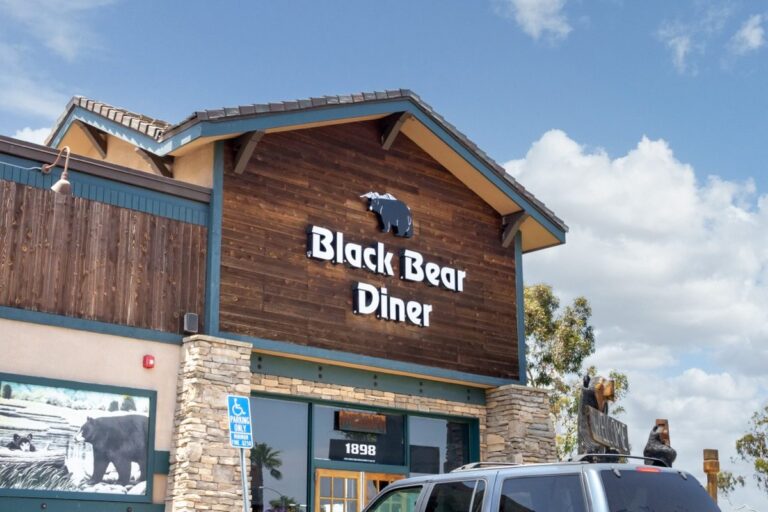
- Black Bear Diner, Texas Roadhouse, and Cheddar's Scratch Kitchen built their model on massive portions—single meals routinely stretch to two or three servings.
- Olive Garden, Perkins, and Metro Diner differentiate through unlimited breadsticks, all-day breakfast, and elevated casual service while maintaining dedicated kids' menus.
- Restaurant chains in this group use value architecture—free rolls, shared wraps, built-in sides—that lets families feed everyone for $30 to $40 per meal.
Parents with children know that selecting a restaurant involves more than just menu preferences. Certain chains build their entire operation around family dining—offering kids’ menus with real options, environments where children’s energy fits naturally into the space, and portion sizes that work for family budgets. These seven restaurant chains earned consistent praise from diners who eat out regularly with their children.
Steakhouses and Comfort Food Leaders
Texas Roadhouse’s Free Rolls Strategy
Texas Roadhouse stands out among family-friendly steakhouses through a combination of generous portions and lower prices than fine-dining competitors. The chain built its casual steakhouse model around massive servings of beef paired with buttery sides that appeal to both adults and older children. One defining element that delights kids is the complimentary rolls served throughout the meal—children frequently fill up on butter and bread alone, reducing the need to order expensive sides or full entrees. One family documented a takeout meal of chicken strips priced at $40 that included salad, two sides, and rolls, with enough food to stretch across multiple meals. The kids’ menu provides dedicated options without forcing families to compromise on quality.
Cheddar’s Scratch Kitchen and Entree Architecture
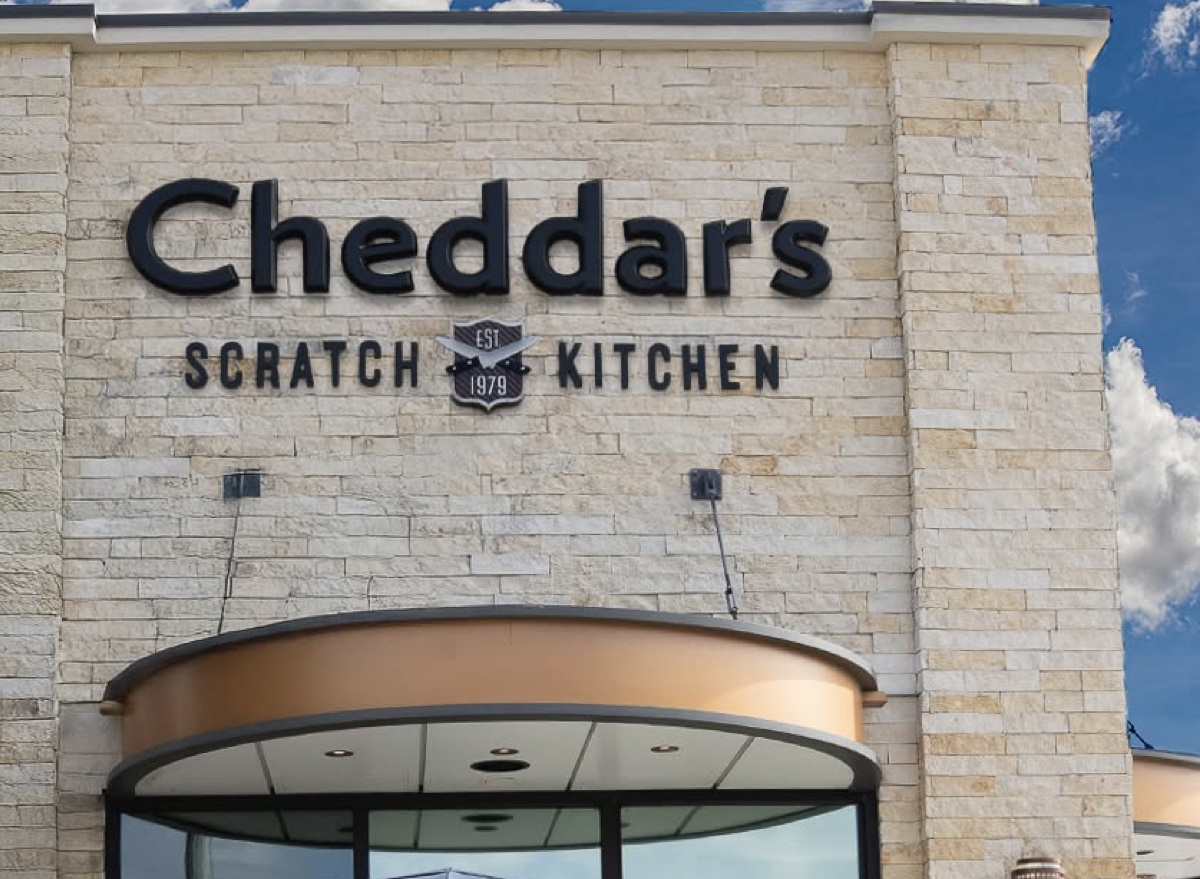
Cheddar’s Scratch Kitchen built its reputation on handcrafted from-scratch meals priced to allow families to order multiple items. Each dish receives individual preparation rather than reheating pre-made components. A diner reported purchasing 20 chicken tenders, a huge batch of fries, rice, beans, and six croissants for $30—representing the chain’s approach to portion density and value stacking. The buffalo chicken wrap exemplifies the chain’s design philosophy: rather than serving one large wrap, the kitchen delivers two separate wraps, each cut into halves, yielding four actual portions from a single menu item. This structure allows one adult to eat a complete meal, save three portions for later, or a family of four to each receive a quarter. Diners consistently note that the kids’ menu, like all offerings, prioritizes affordability without cutting corners on quality or portion size.
Black Bear Diner’s Portion Philosophy
Black Bear Diner has institutionalized generosity as a core mission printed directly on its paper menu—a public commitment to ensuring customers never leave hungry. Diners describe portions using superlatives like “insane,” suggesting surprise at what arrives on the plate. A typical meatloaf dinner arrives with two sides of the customer’s choice, a large cornbread muffin, and either soup or salad, creating multiple components that one person might stretch across two meals or a family might share. The restaurant’s comforting, unpretentious environment with simple décor and casual service matches the straightforward food approach. This combination signals to families that they’ve arrived at a restaurant designed for their needs rather than somewhere tolerating their presence.
Breadsticks, Italian, and Varied Menus
Different families seek different cuisines and atmospheres. These chains address those preferences while maintaining the core elements of family-friendly operations.
Olive Garden and Unlimited Sides Appeal
Olive Garden serves as America’s most family-friendly Italian casual dining chain. The operation succeeds by offering kids a dedicated menu with genuine value and adults an appeal beyond the main course. The unlimited breadstick service—complimentary refills throughout the meal—became the chain’s signature draw for children, who happily consume bread and butter rather than requiring expensive entrees. One diner specifically recalled an appetizer experience from months prior, describing the toasted ravioli with enough positive impression to cause continued contemplation. This level of memorable quality differentiates Olive Garden from purely functional family restaurants. Adult diners appreciate the endless soup and salad components, which transform the meal into a complete experience rather than just a main plate and sides.
Perkins and Across-Daypart Flexibility
Perkins Restaurant & Bakery earned its reputation primarily through breakfast offerings—large plates featuring pancakes, eggs, and multiple meat options that satisfy early morning appetites. The chain extends its appeal across the full day, serving pot roast, meatloaf, and steaks for lunch and dinner, plus seasonal pies that provide dessert options beyond typical chains. Most importantly for families, Perkins maintains a strong kids’ menu regardless of time of day, allowing families to visit for breakfast, lunch, or early dinner without sacrificing options for children or facing different service models depending on when they arrive.
Casual Environment and Metro Diner’s Positioning
Cracker Barrel’s approach to environment shapes the family dining experience. The chain fills its locations with an old-country store aesthetic containing toys, games, and kitschy items that occupy children during wait times or at table between courses. This intentional chaos—with children occupied and slightly elevated noise levels—allows parents to relax because children’s activity and energy blend naturally with the restaurant’s established vibe. Rather than standing out as disruptive, kids fit into the intended experience.
Metro Diner takes a different environmental approach by offering an elevated casual experience that maintains approachability for families. The all-day breakfast menu, Asian dishes, and Italian options provide variety that appeals to different family members’ preferences. Diners consistently praise Metro Diner’s service quality, staff helpfulness, and overall ambiance, with one patron describing it as “a rare gem in a world of corporate chains” that beats conventional options through superior execution. The restaurant succeeds by offering something acceptable for every child while simultaneously allowing adults to order more complex or refined meals at the shared table—a balance that many chains struggle to achieve.
Kids’ Menus as Commitment Signals
Every chain in this group maintains genuine kids’ menus rather than afterthought selections. The presence of a dedicated kids’ menu signals that the restaurant views families as core customers deserving investment. These menus offer genuine portion sizing appropriate for children rather than simple downsizing of adult dishes, actual pricing that acknowledges family budgets, and variety that prevents the tired scenario of children refusing to eat anything available. The quality of a chain’s kids’ menu often indicates how seriously the entire operation takes the family dining segment.
Value Strategy as Competitive Advantage
The unifying thread across these seven chains is commitment to value—not through corner-cutting, but through deliberate business model design. Texas Roadhouse’s free rolls reduce the need for additional purchases. Cheddar’s portion architecture yields four meals from one buffalo chicken wrap. Black Bear Diner’s stated mission demands leaving customers overfed. Olive Garden’s unlimited breadsticks and endless soup and salad transform the meal economics. Documented prices—$30 orders yielding multiple meals, $40 takeouts feeding families, unlimited refills of carbohydrates and sides—demonstrate that value became competitive advantage rather than a loss leader or afterthought. These chains understood that families operate with different economic constraints than business travelers or couples on dates, and they built operations accordingly.
Frequently Asked Questions
Which restaurants offer the best value for families?
Black Bear Diner, Cheddar's Scratch Kitchen, and Texas Roadhouse lead on value. One diner got 20 chicken tenders, huge fries, rice, beans, and six croissants from Cheddar's for $30. A Texas Roadhouse family meal of chicken strips, salad, two sides, and rolls cost $40 and made multiple meals. Black Bear Diner's meatloaf dinner with two sides, cornbread, and soup or salad stretches across two to three servings.
Do all these chains have kids' menus?
Yes, every chain in the list maintains a dedicated kids' menu. Olive Garden's kids' menu offers serious value and pairs with unlimited breadsticks. Cheddar's, Texas Roadhouse, Black Bear Diner, and Perkins all feature strong kids' menu options. Metro Diner offers items specifically appealing to children while allowing adults to order more complex meals.
What makes Cracker Barrel and Metro Diner different from the others?
Cracker Barrel excels at environment—the old-country store aesthetic with toys, games, and kitschy items occupies children during waits and meals, and the intentionally casual space suits loud kids. Metro Diner takes an elevated casual approach with all-day breakfast, Asian, and Italian dishes, praised for service quality, helpful staff, and superior ambiance compared to typical corporate chains.
