
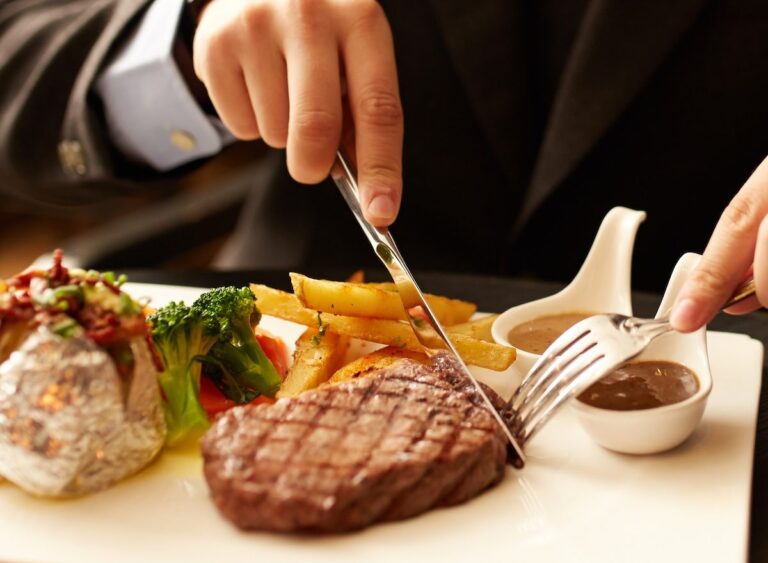
Key takeaways
- According to butcher Jorge Thomas, ribeye is his top choice, ordered medium-rare to maximize the softening of its generous marbling.
- New York strip delivers pronounced beef flavor and textural complexity—qualities that matter more to some diners than maximum tenderness.
- Filet mignon excels at tenderness but needs sauce like béarnaise or peppercorn alongside it to replace the richness it lacks.
- Skirt steak's deep beef flavor requires one critical step: slicing across the grain after cooking to break muscle fibers and ensure tenderness.
When ordering at a steakhouse, the menu often feels overwhelming. A butcher and chef’s perspective can help narrow down the best cuts and how to order them for maximum satisfaction.
Jorge Thomas, a chef and butcher who founded Swaledale Butchers, shared his top recommendations on which steaks deliver the most value and how cooking temperature and preparation affect the eating experience.
What Makes a Steakhouse Steak Worth Ordering
Different cuts bring different things to the plate: marbling, tenderness, texture, and beef flavor combine in distinct ways across the menu. The right choice depends on what matters most to you in that meal. Some diners prioritize richness, others chase tenderness, and still others want pronounced beef taste without excessive fat.
The Role of Marbling and Texture
Marbling—the white fat distributed through the meat—has a direct effect on how a steak tastes and how it responds to heat. A heavily marbled cut softens that fat during cooking, adding richness to each bite. Less marbled cuts offer a different kind of eating experience: leaner texture, cleaner beef flavor, and a need for different accompaniments.
Temperature and How It Changes the Meat
Cooking temperature matters more for some cuts than others. For fattier cuts, the difference between rare and medium-rare can shift how the fat renders and integrates with the meat. Leaner cuts benefit from sauces to add richness the meat itself doesn’t provide.
Ribeye: The No. 1 Choice for Marbling
Ribeye ranks as Thomas’s first pick when ordering at a steakhouse. The cut is known for generous marbling throughout, delivering a deeply beefy character and richness that appeals to diners who want fat to be part of the experience.
“I like the richness you get from the marbling,” Thomas says. “I’d order it medium-rare rather than rare, because I want the fat softened as well as the meat cooked. That’s a large part of the pleasure of eating ribeye.”
The temperature choice here is deliberate. Medium-rare allows the intramuscular fat to soften without overcooking the meat, so both the meat’s texture and the fat’s contribution reach their peak in the same bite. Rare ribeye leaves some fat still firm, which can mute the richness. Going much beyond medium-rare hardens the fat, making it chewy rather than lush.

New York Strip: Beef Flavor Without Maximum Richness
The New York strip occupies a useful middle ground on the steakhouse menu. It delivers more texture and structure than a filet, yet offers less richness than a ribeye, making it appeal to diners who want pronounced beef flavor without the fattiest cut.
How It Differs from Other Cuts
Thomas notes that in Britain, the New York strip is called sirloin. “I’d order it when I wanted plenty of beef flavor without quite the richness of ribeye,” he says. “There’s more bite to it than fillet, which I enjoy.”
The “bite” Thomas refers to is the chewiness that comes from less marbling and tighter muscle structure. This isn’t a drawback—it’s a textural contrast to the softer, more tender cuts that some diners prefer.
Why Tenderness Isn’t Everything
Thomas adds an important point: “Tenderness isn’t the only reason to choose a steak.” A New York strip proves this. It’s less tender than a filet but delivers something filet cannot—the pronounced beef flavor that comes from a muscle that’s worked harder during the animal’s life. For diners fatigued by butter-soft steaks, this textural complexity is a feature, not a limitation.
Filet Mignon: Unmatched Tenderness
Filet mignon has built its reputation on one major strength: exceptional tenderness. Cut from a relatively little-used muscle, it offers a delicate, finely textured eating experience that no other cut matches.
Its leanness, however, means it brings a different profile to the plate. It won’t deliver the rich, mouth-coating sensation of a heavily marbled ribeye. For Thomas, that’s not a flaw—it’s simply a different meal.
“If tenderness matters most, order a fillet,” Thomas says. “It’s lean, finely textured and doesn’t have the same richness as ribeye. I’d have a béarnaise or peppercorn sauce alongside it rather than expect it to eat like a fattier cut.”
The sauce recommendation is practical: because the meat itself is lean, adding a rich sauce—béarnaise is an emulsion of egg yolk and butter; peppercorn cream is butter-based—restores the luxurious mouthfeel that marbled cuts offer on their own. The sauce doesn’t mask the filet; it completes the eating experience.
T-bone and Porterhouse: Two Steaks in One
Both cuts give diners two steaks separated by a T-shaped bone: strip on one side, filet on the other. The main distinction between them is size: a porterhouse has a larger filet portion than a T-bone, making the latter particularly appealing when you’re looking to share a single steak.
“For sharing, I’d look at a porterhouse,” Thomas says. “You get strip steak and fillet together, with a larger fillet portion than you’d get on a T-bone. Check the weight before ordering, though. The bone’s included, so the menu weight isn’t all meat.”
This last point matters. A 30-ounce porterhouse includes the weight of the bone, so you may get fewer ounces of actual meat than a 30-ounce ribeye, which is boneless. Always ask the steakhouse or check the menu closely if the listed weight is for the whole steak or the meat alone.
Skirt Steak: Character and Proper Slicing
Skirt steak lacks the luxury reputation of ribeye or filet, but it brings distinctive character to the plate. Its long, thin shape and pronounced grain create a coarser texture than tender cuts, with a deep beef flavor that rewards proper preparation.
“If skirt’s on the menu, I’m interested,” Thomas shares. “It has a deep beef flavor and a coarser texture than fillet, which is part of its appeal to me. I’d order it medium-rare and expect it sliced across the grain. That makes a real difference to how easily it chews.”
The grain orientation is critical. Muscle fibers run in a specific direction; slicing across the grain—perpendicular to those fibers—breaks them into shorter segments, making each bite more tender despite the cut’s natural coarseness. Slicing parallel to the grain leaves long fibers intact, which can feel tough. A steakhouse that doesn’t slice skirt steak across the grain is doing you a disservice. If you order it, verify the kitchen knows this detail.
Frequently Asked Questions
What temperature should I order ribeye?
Jorge Thomas recommends medium-rare for ribeye, not rare, because medium-rare softens the fat while cooking the meat, maximizing the richness that makes ribeye appealing.
Why would I order New York strip instead of filet mignon?
New York strip offers more beef flavor and textural bite than filet mignon. While it's less tender, it provides a different eating experience that some diners prefer to butter-soft cuts.
What's important to know before ordering skirt steak?
Skirt steak must be sliced across the grain—perpendicular to the muscle fibers—after cooking. This breaks the fibers into shorter segments, making each bite tender despite the cut's naturally coarse texture.
