
Key takeaways
- Five specific Parmesan brands—Bel Gioioso, Grana Padano, Parmigiano-Reggiano, Sartori SarVecchio, and Cello Riserva—each serve different purposes in your kitchen.
- Grana Padano and SarVecchio work best when cooked into dishes, while Parmigiano-Reggiano shines when freshly grated over finished food.
- Buying Parmesan wedges instead of pre-grated cheese gives you better control over texture, portion size, and freshness.
- A practical pantry approach uses one versatile everyday Parmesan plus one premium wedge reserved for finishing dishes.
When shopping for Parmesan, the options crowding the dairy case can feel overwhelming—pre-grated versions in cardboard shakers, imported wedges aged for years, domestic varieties, and everything in between. The brand and cut you select will change how the cheese performs in your cooking, its flavor intensity, and ultimately whether you’re getting reasonable value for your money. Chefs who prepare food daily have clear preferences about which Parmesan varieties to bring home, and their reasoning offers practical guidance for home cooks making these purchasing decisions.
Versatile Cheeses for Everyday Use
Bel Gioioso for Multiple Applications
When you need a single Parmesan that works across different cooking methods without special planning, Bel Gioioso appeals to cooks seeking adaptability. John Miller, chef and owner of Miller’s Catering Company and Family Food and Beverage, reaches for Bel Gioioso when he’s assembling charcuterie boards, grazing tables, salads, or pasta dishes—situations where the cheese might be served unmelted alongside other foods or cooked into a dish. “This parmesan is amazing because it melts well and is very versatile,” Miller explains. Its tangy flavor profile allows it to pair comfortably with both sweet and savory elements, complementing cured meats and fresh fruit on a cheese board while also working in warm tomato sauce over pasta.
For cooks over 50 who prefer a focused grocery list, stocking a multi-purpose Parmesan eliminates the need to juggle several varieties simultaneously. Bel Gioioso fits that practical approach by delivering acceptable performance across a wide range of applications.
Grana Padano for Cooked Applications
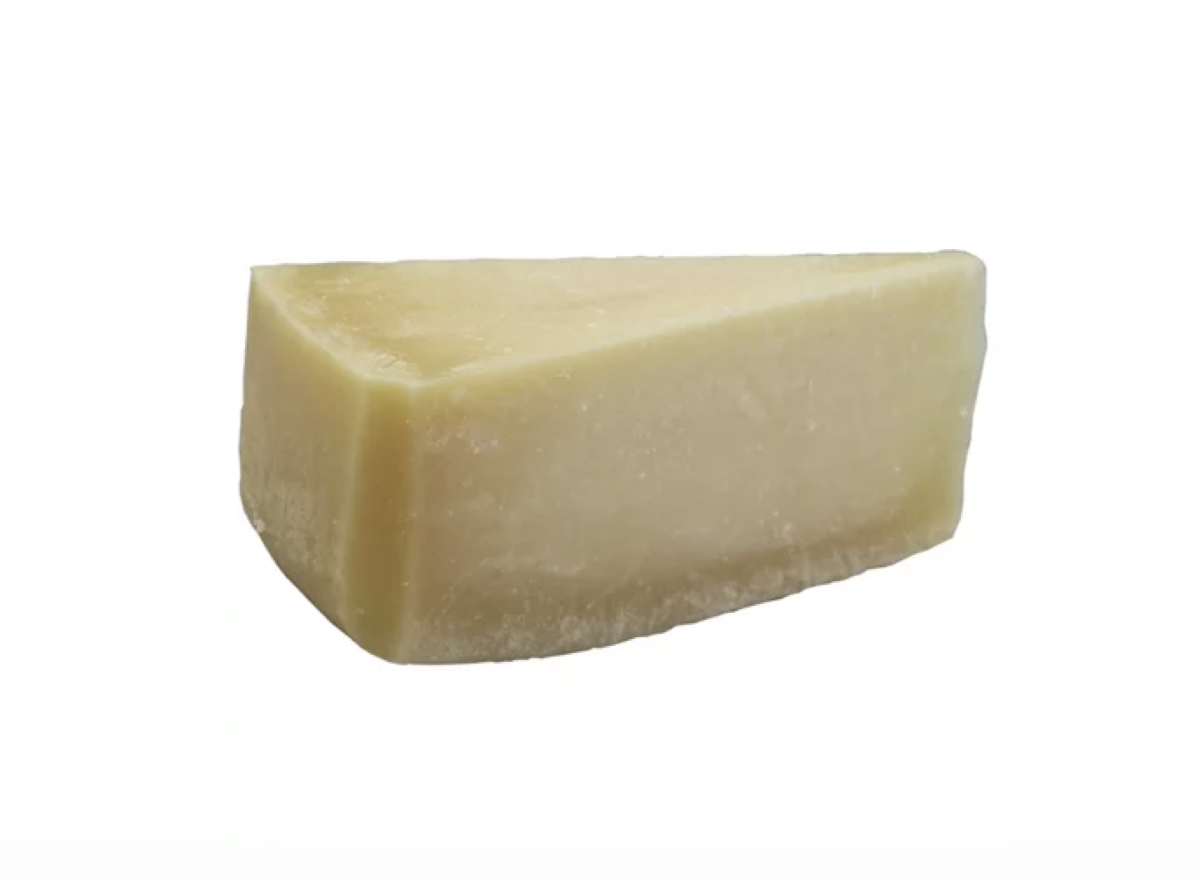
Grana Padano occupies the middle ground between budget grocery-store Parmesan and premium imported options, making it especially useful for dishes where the cheese will be cooked into the final product rather than appearing as a garnish. Marissa Stevens, a recipe developer and founder of Pinch and Swirl, maintains both Grana Padano and Parmigiano-Reggiano in her refrigerator because each serves a distinct purpose. “Grana Padano is milder and more affordable, more of a workhorse Parmesan. It’s what I use most when the cheese is cooked into the dish,” she notes. The milder flavor profile means Grana Padano won’t overwhelm other ingredients, an advantage when your recipe centers on sauce, vegetables, or protein rather than the cheese itself. Its lower cost makes it sensible to use generously without worrying about waste.
American-Made Quality Worth Trying
Sartori SarVecchio’s 20-Month Aging
For cooks seeking an American-made Parmesan-style cheese with the complexity of longer-aged European versions, Sartori SarVecchio delivers both the flavor and the crystalline texture without requiring an import premium. The cheese ages for approximately 20 months, developing the nutty character and crumbly texture that distinguish well-crafted Parmesan from younger versions. Steve Ingber, executive chef and owner of MileHighCook, favors SarVecchio specifically because it offers expected depth at a price that makes economic sense when grating generously over multiple servings. “It’s aged about 20 months, so you get the crystalline crunch and the nutty flavor people want, at a price that makes sense when you’re grating a lot of it,” Ingber explains. An additional practical advantage emerges when using SarVecchio in risotto: the cheese melts cleanly into the rice without developing the stringy texture that sometimes appears with other varieties, resulting in a smoother final dish that requires less adjustment before serving.
Premium Imports for Maximum Flavor
Parmigiano-Reggiano as the Show-Stopper
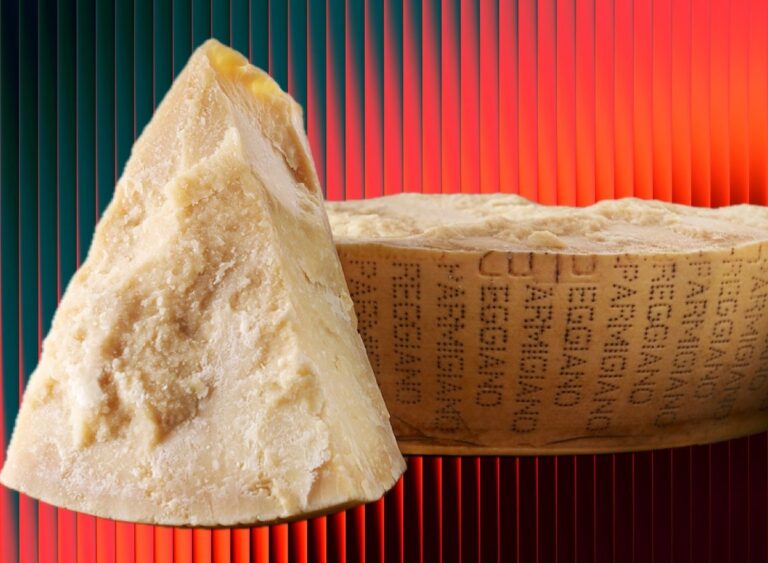
Parmigiano-Reggiano’s extended aging period directly affects its sharpness and salt content, making it the go-to choice when the cheese itself is supposed to be the ingredient that stands out on the plate. A wedge of Parmigiano-Reggiano freshly grated over finished pasta or incorporated into a fresh pesto sauce will announce itself through bold, nutty, salty flavors that younger versions simply cannot deliver. Marissa Stevens notes: “It’s aged longer, so it’s sharper, nuttier, and a little saltier, which makes it the best one to grate on right before serving and also for fresh sauces like pesto.” This distinction—reserving the most expensive option for applications where it will be tasted directly rather than melted into a hot dish—represents a financially sensible approach for home cooks watching their grocery budget. A modest investment in Parmigiano-Reggiano reserved for finishing plates delivers noticeably more flavor return than the same amount spent on a less distinctive cheese cooked into risotto or baked pasta.
Format and Freshness Matter
Cello Riserva and the Case for Wedges
The physical form in which you purchase Parmesan affects not only storage longevity but also your control over texture and portion size. Steve Ingber recommends Cello Riserva specifically because it arrives as a wedge rather than pre-grated, allowing home cooks to grate the exact amount needed at the moment of service. “Cello’s Riserva is the one I point home cooks to. It’s sold in wedges instead of pre-grated, which matters more than the brand does, and it has enough age and salt to finish a pasta without tasting flat,” Ingber says. Cheese grated fresh from a wedge arrives at your plate with maximum surface area and moisture compared to pre-grated varieties that have been sitting packaged for weeks. For cooks managing portion sizes, wedges offer better control than pre-grated versions sitting visible in the refrigerator, reducing both waste and the tendency to use more than planned.
Matching Cheese to Your Cooking Style
The apparent complexity of choosing Parmesan simplifies once you recognize that different cooking applications call for different products. A home cook preparing pasta multiple times weekly might stock both a milder Grana Padano for dishes where cheese will be cooked throughout and a Parmigiano-Reggiano reserved for finishing. The professional chefs quoted here don’t declare any single variety universally superior; instead, they rotate between brands based on their immediate cooking needs. John Miller keeps Bel Gioioso for its flexibility, Steve Ingber alternates between the aged quality of SarVecchio for creamy risotto dishes and the fresh-grated convenience of Cello Riserva wedges for pasta, and Marissa Stevens maintains both ends of the Parmesan spectrum for different purposes.
For grocery shoppers over 50, this pragmatic approach suggests a realistic strategy: select one versatile everyday cheese, purchase one premium wedge reserved for finishing dishes, and choose wedges or pre-grated format based on your actual cooking patterns and available refrigerator space. The dairy case offers far more options than the average cook needs; identifying two or three brands that cover your primary uses narrows the selection and simplifies future shopping trips.
Frequently Asked Questions
Which Parmesan should I buy if I want one cheese that works for everything?
Bel Gioioso is versatile enough for charcuterie boards, salads, pasta, and melting into dishes, according to chef John Miller. Grana Padano is also a workhorse option that works well when cooked into dishes, says recipe developer Marissa Stevens.
What's the difference between Parmigiano-Reggiano and other Parmesan cheeses?
Parmigiano-Reggiano ages longer than other varieties, which gives it a sharper, nuttier, and saltier flavor. Marissa Stevens recommends it specifically for finishing pasta or making fresh sauces like pesto.
Should I buy pre-grated Parmesan or wedges?
Chef Steve Ingber recommends buying wedges because you can grate fresh Parmesan at service time, which gives you better control and fresher flavor. He specifically highlights Cello Riserva, which comes in wedges and has enough age and salt to finish pasta without tasting flat.
