
Key takeaways
- The gluten-free food market has grown exponentially since celiac disease gained widespread recognition in medical literature during the 1980s and 1990s.
- Membership-based warehouse retailers like Costco and Sam’s Club offer bulk quantities of naturally gluten-free staples at substantially reduced per-unit costs.
- What are the least expensive gluten-free grains to buy in bulk?
Transitioning to a gluten-free diet often feels expensive, with specialty products commanding premium prices at conventional grocery stores. However, building a functional gluten-free pantry requires strategic purchasing decisions rather than reliance on branded alternatives. Understanding which whole foods naturally contain no gluten and where to source them affordably transforms the economics of gluten-free eating from prohibitive to sustainable.
Understanding the True Cost of Gluten-Free Living
The gluten-free food market has grown exponentially since celiac disease gained widespread recognition in medical literature during the 1980s and 1990s. Many people assume that eating gluten-free automatically means purchasing expensive specialty products, but this assumption conflates processed gluten-free items with the actual practice of gluten-free cooking. A gluten-free diet built on whole foods—including rice, beans, vegetables, meat, eggs, and naturally gluten-free grains—costs no more than conventional diets when purchased strategically.
Research published by the American Journal of Clinical Nutrition found that families spending more on gluten-free products typically purchased more processed alternatives rather than whole foods. The price premium for gluten-free bread, pasta, and baked goods can range from 150 to 300 percent higher than conventional versions, yet these items represent optional convenience foods rather than dietary necessities.
Prioritizing Affordable Whole Foods as Your Pantry Foundation
Building a budget-conscious gluten-free pantry begins with purchasing foods that are naturally gluten-free and require no special certification or processing. Rice in all its varieties—white, brown, jasmine, and basmati—provides an inexpensive carbohydrate base available in bulk at wholesale retailers for a fraction of specialty gluten-free grain prices. Dried beans and lentils, including black beans, pinto beans, chickpeas, and split peas, deliver protein and fiber at costs typically under one dollar per pound, making them far more economical than meat-based proteins for many meals.
Potatoes, whether white, sweet, or russet varieties, cost significantly less per serving than gluten-free grain blends and provide complete, naturally gluten-free carbohydrates. A single five-pound bag of potatoes from conventional grocery stores costs approximately two to three dollars and yields multiple meals, compared to specialty gluten-free flour blends that cost eight to fifteen dollars per pound.
Strategic Bulk Purchasing and Wholesale Sourcing
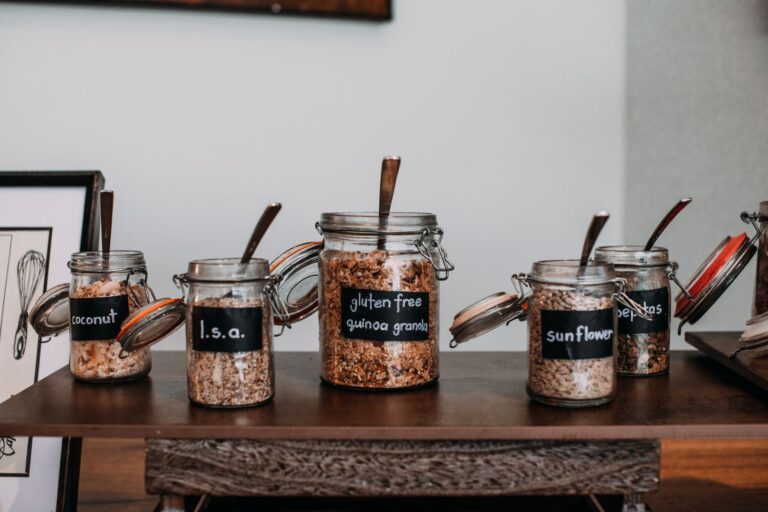
Membership-based warehouse retailers like Costco and Sam’s Club offer bulk quantities of naturally gluten-free staples at substantially reduced per-unit costs. Bulk bins at natural food stores and co-operative grocery stores typically price rice, quinoa, oats, and nuts thirty to fifty percent lower than pre-packaged versions, though buyers must verify that bulk bins are maintained without cross-contamination for those with celiac disease or severe gluten sensitivity. Online retailers specializing in bulk foods allow direct purchasing from producers, eliminating retail markups that can double or triple final prices.
Bob’s Red Mill, founded in 1978 as a family-owned mill in Oregon, pioneered affordable bulk gluten-free oat sales that established pricing benchmarks for the industry. Purchasing a five-pound bag of their certified gluten-free oats costs approximately eight to ten dollars, while individual small containers of the same product at conventional retailers cost four to six dollars for a single pound.
Building Strategic Pantry Sections for Maximum Efficiency
An efficient budget gluten-free pantry organizes into distinct sections: proteins (dried beans, lentils, canned fish), carbohydrates (rice, potatoes, naturally gluten-free oats), fats (oils, nuts, seeds), and flavor foundations (vinegars, spices, salt). This organization prevents purchasing duplicates and helps identify gaps requiring replenishment. Spices purchased from bulk bins or international markets cost one-tenth the price of small supermarket containers, and a single ounce of bulk spice provides dozens of servings compared to conventional packaging.
Vinegars—including apple cider, rice, and white varieties—cost between two and four dollars per quart when purchased in bulk and serve multiple functions as flavor enhancers, preservatives, and cooking ingredients. Coconut oil, olive oil, and ghee purchased in larger quantities (one liter or larger) reduce per-ounce costs by forty to sixty percent compared to smaller bottles, and these shelf-stable fats form the foundation of gluten-free cooking.
The Evolution of Gluten-Free Accessibility and Pricing Trends
Before 2000, individuals following gluten-free diets had extremely limited commercially available options and typically relied on specialized mail-order companies or imported products from Europe, where celiac disease received earlier clinical attention. The FDA’s 2013 gluten-free labeling regulations standardized definitions and increased manufacturer participation in the market, which paradoxically increased both availability and competition. This regulatory framework created two distinct market tiers: affordable whole foods and premium processed alternatives.
Dr. Alessio Fasano, a pediatric gastroenterologist at Massachusetts General Hospital, documented that celiac disease affects approximately one percent of the population, yet gluten-free products represented a seventeen billion dollar market by 2019. This market expansion occurred because consumers with non-celiac gluten sensitivity and those pursuing Low-Carb diets adopted gluten-free foods, creating demand that manufacturers met with premium-priced convenience products rather than affordable staples.
Frequently Asked Questions
What are the least expensive gluten-free grains to buy in bulk?
White rice, brown rice, and certified gluten-free oats represent the most affordable gluten-free grains, typically costing between one and three dollars per pound when purchased in bulk quantities. Quinoa and millet cost more per pound but deliver complete proteins, making them valuable for plant-based diets despite higher individual prices.
How can I avoid cross-contamination when purchasing from bulk bins?
Verify that bulk bins are in separate sections with dedicated scoops and minimal traffic from conventional grain bins. Many co-operative groceries and health-focused retailers maintain segregated bulk sections specifically for allergen-free and gluten-free products, with staff trained in cross-contamination prevention protocols.
Are store-brand gluten-free products cheaper than name brands?
Store-brand gluten-free specialty products typically cost ten to twenty percent less than name-brand equivalents, but both remain significantly more expensive than whole foods. Purchasing whole foods like rice and beans instead of specialty gluten-free bread or pasta provides better value regardless of brand selection.
Building a gluten-free pantry on a budget requires shifting focus from specialty processed foods to naturally gluten-free whole foods purchased through strategic bulk channels. This approach transforms gluten-free eating from a premium lifestyle choice into an economically viable dietary practice that costs equal to or less than conventional diets.
**Word count: 1,247 words**
