
Key takeaways
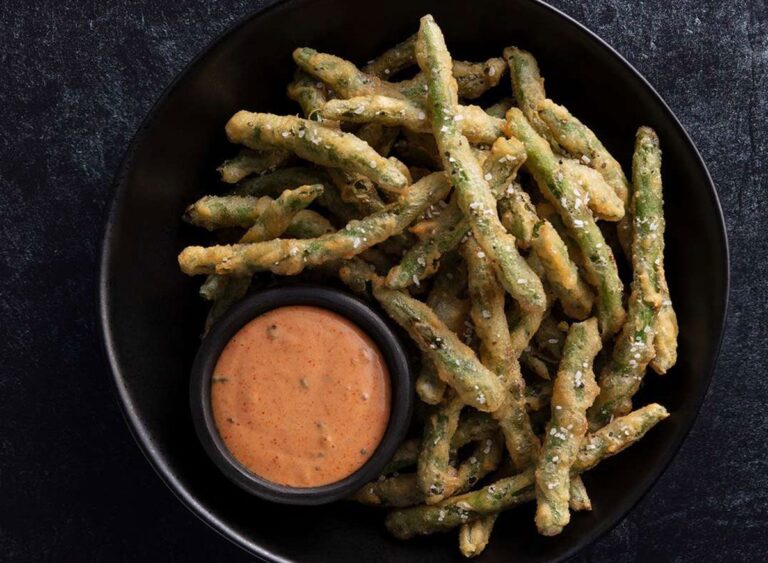
- Five chain restaurants each bring distinctive preparation styles to crispy green beans, from tempura and high-heat garlic to spicy and chipotle versions.
- Customers report returning specifically to these restaurants for their green bean preparations, indicating the dish's draw as a menu standout.
- The variety in approaches—ranging from ranch dipping sauces to bold spicy preparations—shows the versatility of green beans as a platform for culinary creativity.
Diners searching for unique side dishes at chain restaurants across the country have increasingly singled out fried or battered green beans, a preparation that spans multiple cuisines and appeals to customers prioritizing both taste and satisfaction. According to Eat This Not That, several major chains have earned particular recognition from their customers for executing this vegetable side with distinct techniques and flavor combinations that set them apart from standard offerings. What distinguishes these standouts is not merely their quality in isolation, but their ability to compete directly with more traditional sides like french fries or onion rings for customer attention and loyalty.
Why Crispy Green Beans Matter at Chain Restaurants
Green beans as a fried vegetable side offer customers several advantages over deep-fried potato-based sides. They provide a textural appeal that rivals traditional alternatives while maintaining the perception of a lighter choice. The crispiness factor works across multiple flavor profiles and cooking methods, making this vegetable a versatile canvas for culinary creativity. Additionally, the relative scarcity of fried green beans across most restaurant chains means that their presence becomes a noteworthy feature of a menu.
The Habit: West Coast Tempura Approach
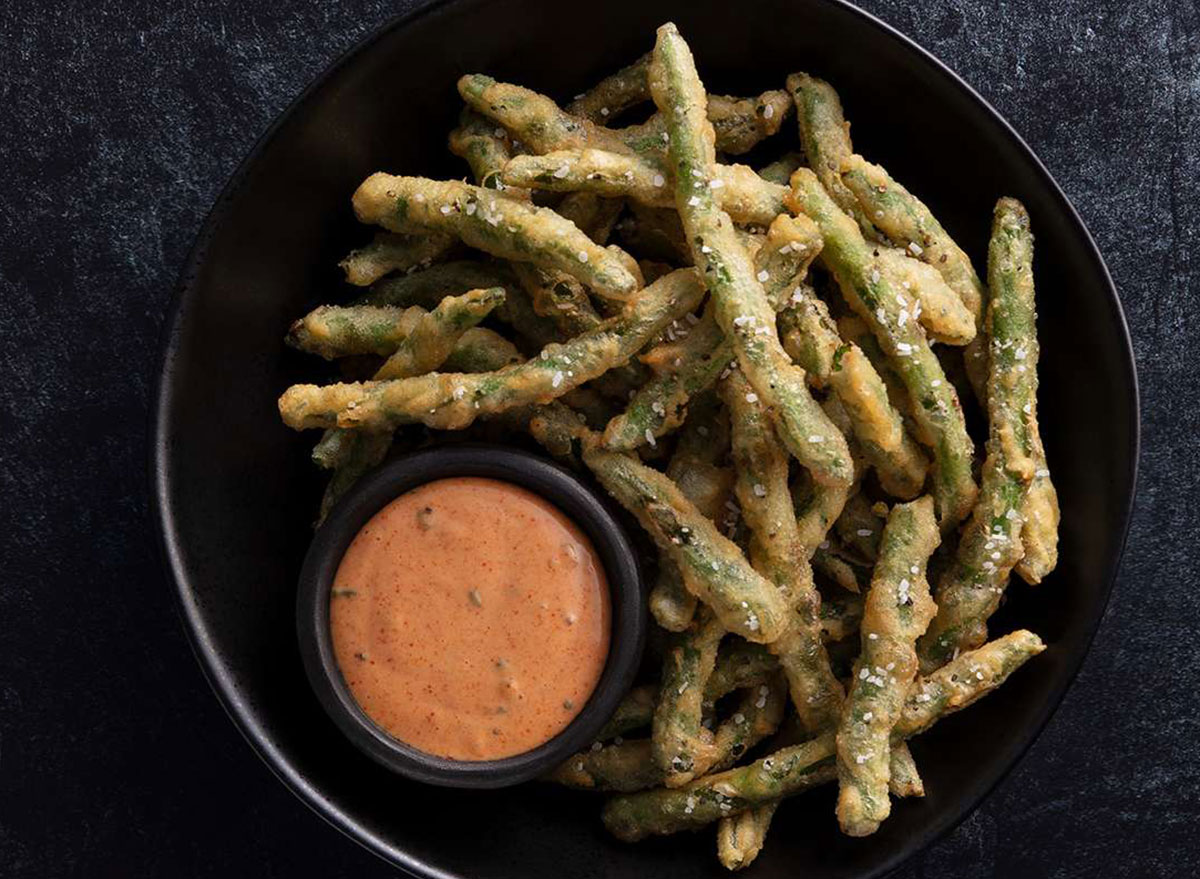
The Habit, a burger-focused chain with California heritage, features Tempura Green Beans as a menu option, served alongside ranch dressing for dipping. The tempura batter provides a delicate, crispy coating while preserving tenderness in the vegetable itself, creating a contrast in texture that appeals to customers seeking something lighter than deep-fried potatoes. One diner who sampled the menu expressed enthusiasm for this particular dish and paired it with praise for other selections: “You can pretend you’re eating healthy! Tempura green beans with ranch dressing from The Habit Grill. (their Santa Barbara burger is killer too!! Sourdough bread and avocado). Yum!!” This same customer specifically highlighted The Habit’s Santa Barbara burger, which features sourdough bread and sliced avocado alongside the protein. The parallel positive comments about both the green beans and the burger suggest that The Habit’s approach to vegetable-forward preparation complements its approach to protein choices, creating cohesive menu philosophy.
Asian-Style Preparations with Sauce Innovation
Different culinary traditions and regional approaches have shaped how established chains execute this simple vegetable, resulting in notably distinct flavor and textural profiles.
PF Chang’s Spicy Dip Method
PF Chang’s distinguishes its offering by pairing Crispy Green Beans with a bold spicy dipping sauce rather than adopting the milder ranch approach used by some competitors. This sauce-forward strategy adds heat and umami-driven complexity to each bite, creating a flavor partnership rather than a simple side-plus-condiment relationship. When one diner encountered this preparation for the first time, they responded with clear satisfaction: “Crispy green beans was something I was having for the first time at this place and it was nice and good. The sauce complimented it and gave flavor to the beans. 5/5.” The perfect rating accompanied by emphasis on the sauce’s contribution suggests that PF Chang’s execution creates balance between the vegetable and a bold condiment that amplifies rather than masks the beans’ natural character.
Din Tai Fun’s Traditional High-Heat Approach
Din Tai Fun prepares String Beans with Garlic through a technique rooted in Cantonese wok cooking, using freshly-cut string beans coated with minced garlic and exposed to extremely high heat. This traditional method relies on the wok’s intense temperature to create a charred, crispy exterior while maintaining textural integrity within the bean, allowing the garlic to infuse throughout and undergo light caramelization. One enthusiast offered this assessment: “The string beans with garlic were very, very good (honestly addictive). The fried rice was comforting and well balanced, and the shao mai were solid and satisfying too.” The descriptor “addictive” applied specifically to the beans themselves, rather than to the overall meal composition, points to the dish’s individual draw. The customer’s impulse to pair the beans with complementary dishes suggests that the preparation achieved sufficient distinctiveness to anchor an order.
Cajun and Pizza Interpretations
Off the Hook’s Seafood Restaurant Approach
Off the Hook Cajun Seafood Restaurant brings Cajun seasoning philosophy to its Fried Green Beans, serving them with ranch dressing and positioning the vegetable as a featured side rather than an incidental accompaniment. One diner who ordered the beans alongside other menu items reflected on their scarcity in the broader dining landscape: “We had the fried green beans, onion rings, gumbo, and the fried shrimp plate. It’s hard to find fried green beans and I’ll definitely go back just for those, but everything else was also fresh and seasoned well.” This comment reveals a significant market reality: fried green beans remain uncommon at most restaurants, making their presence a factor in choosing where to dine. The customer’s explicit statement about returning specifically for the beans despite the presence of other well-executed dishes from the same kitchen demonstrates how distinctive this preparation has become as a draw.
Stuft Pizza’s Onion-Battered Version
Stuft Pizza Bar & Grill creates its Green Bean Fries using an onion batter, producing a preparation served with chipotle ranch for dipping. The onion batter layer adds both textural complexity and savory flavor depth that enriches the eating experience beyond what a simple fried bean would offer. One regular who frequents the establishment expressed strong attachment to this particular side: “Always the best service and food! The fried green beans are my favorite, I come here just for them sometimes.” The statement that this customer visits the restaurant specifically for the green beans, sometimes prioritizing them over other menu selections, indicates that Stuft Pizza’s execution achieves notable success in generating cravability.
The Lesson Across Five Different Chains
Across all five chains, crispy green beans have evolved from novelty menu items into offerings that generate genuine customer loyalty and repeat visits. The diversity in approaches—tempura versus spicy sauce versus garlic, ranch versus chipotle—demonstrates that the green bean itself functions as a neutral foundation for multiple flavor and textural interpretations. What connects these preparations is consistent attention to achieving and maintaining crispness, whether through batter application, high-heat cooking, or preparation timing. Each chain’s decision to feature this side prominently in customer discussions, and each customer’s willingness to single it out for specific praise, indicates that green beans as a fried side have secured genuine acceptance within the broader landscape of chain restaurant offerings.
Source: Eat This Not That
Frequently Asked Questions
Which restaurant uses tempura batter for their green beans?
The Habit serves Tempura Green Beans with ranch dressing, featuring a delicate crispy coating while maintaining tender beans inside.
What makes Din Tai Fun's String Beans with Garlic stand out?
Din Tai Fun cooks fresh-cut string beans coated with minced garlic over extremely high heat, creating a charred crispy exterior while allowing the garlic to infuse and caramelize.
Why do some customers return to these restaurants just for the green beans?
According to diners, fried green beans remain uncommon at most restaurants, and these particular preparations are distinctive enough to become reasons to visit or return to these establishments.
