
Key takeaways
- Five specialty cuts—hanger steak, bavette, flat iron, Denver steak, and beef cheeks—offer distinctive flavors and cooking applications beyond typical prepackaged options.
- Asking the butcher to trim seams, show grain direction, and prepare cheeks specifically for braising ensures each cut performs at its best.
- Denver steak comes from the chuck but has enough tenderness and marbling to grill like a premium cut.
- Beef cheeks transform during slow braising, with connective tissue breaking down into gelatin that enriches the sauce.
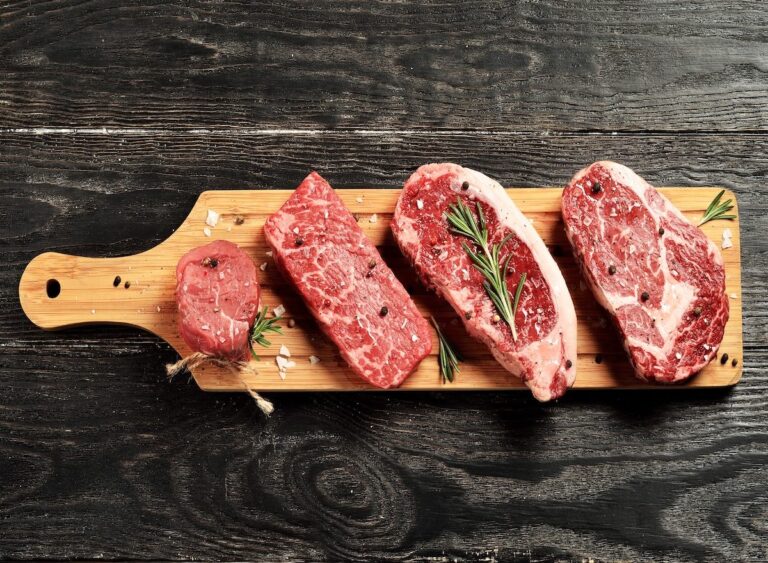
The prepackaged beef section at your grocery store showcases only a fraction of what’s available. Behind the glass counter, butchers have access to cuts that rarely make it to the display case—options with deeper flavor, better texture for specific cooking methods, or impressive presence when serving multiple people. Knowing what to ask for, and how to request it, transforms a regular meat counter visit into a culinary advantage.
Jorge Thomas, chef, butcher, and founder of Swaledale Butchers, shared five cuts worth requesting from your grocery store butcher. Each has distinct characteristics and requires specific preparation to shine.
Hanger Steak: The Butcher’s Traditional Choice
Hanger steak, also known as onglet, is a diaphragm cut that sits somewhere between conventional steak and offal on the butcher’s classification system. Many people overlook this cut at the meat counter, yet it rewards those willing to explore beyond familiar territory. Thomas describes it as having “a deep, almost offal-like flavor” that distinguishes it from standard steaks and justifies its traditional role.
Historically, hanger steak was kept back for the butcher’s own table rather than offered to customers—a practice that reflects its quality and the butcher’s personal appreciation for distinctive flavor. The cut’s unique taste profile makes it worth tracking down if you want to explore options that go beyond steakhouse standards. When requesting it from your butcher, specify that you’d like it trimmed and ready to cook, which removes the extra connective tissue and prepares it for immediate use on the stovetop or grill.
Bavette: The Crowd-Pleaser for Groups
Bavette, marketed in the United States as sirloin flap, is a cut that expands your grilling options considerably. Unlike smaller steaks designed for individual servings, bavette’s size and structure make it practical and economical for cooking steak when you’re feeding several people.
Why Bavette Works for Marinating and Sharing
The cut responds well to marinades and takes on seasoning effectively because of its muscle structure and surface area. Thomas notes it’s “good for marinating and grilling, particularly when you’re feeding several people and slicing the beef to share.” Rather than asking for individual steaks, request that the butcher leave it as one whole piece. This approach gives you maximum flexibility for marinade penetration and allows you to cook it as a single slab before slicing across the grain for presentation and serving.
Understanding Grain Direction
Ask the butcher to show you which way the grain runs in the muscle. Understanding grain direction before you start cooking helps you slice it correctly afterward, ensuring tender bites regardless of portion size. This simple step makes a measurable difference in the eating experience, transforming what could be a chewy slice into something that yields easily to the teeth.

Flat Iron: Tender with a Technical Requirement
Flat iron has become increasingly popular in butcher shops precisely because it bridges the gap between specialty cuts and everyday steaks. It comes from the featherblade, or top blade, a muscle that’s inherently tender but requires specific attention during trimming to reach its potential.
The Seam That Changes Everything
A tough seam runs through the middle of the muscle—a structural line of connective tissue that separates two muscles with different fiber directions. For a quick cook like searing or grilling, this seam needs to be removed entirely. Ask for a properly trimmed flat iron rather than a blade steak with that seam still intact. Thomas emphasizes the distinction: “That’s an important distinction when you’re planning a quick cook.” Without proper trimming, you risk serving your guests a chewy bite in the middle of an otherwise tender steak, which undermines the appeal of the cut.
Denver Steak: Hidden Potential in the Chuck
The chuck section of the cow produces multiple cuts of varying quality and application, and Denver steak represents an underappreciated option that defies conventional assumptions about which parts can be grilled rather than braised. Denver steak comes from the chuck but is tender enough to cook as a steak rather than submit to long, moist heat—a characteristic that, combined with its good marbling, makes it a worthwhile alternative to more obvious premium choices.
When you don’t find Denver steak at your meat counter, ask for the chuck underblade by name—the specific muscle section where this cut originates. Request that the butcher cut the steaks across the grain, which ensures tenderness and bite consistency regardless of how you finish them on the grill or in the pan. This grain-direction approach matters as much for Denver steak as it does for bavette, protecting the eating experience from any unexpected resistance.
Beef Cheeks: The Slow-Cook Transformation
Not every great beef cut belongs on a grill or skillet. Beef cheeks are specifically suited to long, slow cooking methods where their structure becomes an asset rather than a limitation—a cooking strategy that transforms them into something rich and satisfying.
Connective Tissue as a Flavor Builder
Beef cheeks are rich in connective tissue, which seems like a drawback but becomes invaluable during a long braise. As the meat cooks slowly in liquid, that connective tissue breaks down and transforms into gelatin, which enriches and thickens the surrounding sauce. Thomas explains: “They’re rich in connective tissue, which softens during a long braise and gives the sauce body.” This gelatin isn’t a byproduct to strain away—it’s the foundation of the sauce itself, adding mouthfeel and depth that can’t be replicated with other cooking methods.
Ordering and Preparing Cheeks
Beef cheeks aren’t always on hand at every meat counter, so you may need to place a special order. Ask whether your butcher can order them in, and request that they be trimmed and ready for cooking. The basic approach involves cooking them with red wine and onions over low heat for several hours until the meat yields to gentle pressure and breaks apart easily. Serve them with buttery mashed potatoes, which complement the rich, gelatinous sauce and provide a neutral backdrop for the deep beef flavor that only this cooking method produces.
Building a Relationship with Your Butcher
Requesting these cuts requires knowing the right language to use and understanding how each one benefits from proper trimming and preparation. A butcher who knows you’re interested in less common cuts will often set pieces aside when they arrive or give you advance notice when something special becomes available. The meat counter becomes far more useful when you approach it as a resource to collaborate with rather than simply a place to pick from what’s visible in the case. Ask questions about the cuts, specify your cooking method, and let the butcher guide you toward options that will work best for your table and your skill level.
Frequently Asked Questions
What makes hanger steak worth requesting?
Hanger steak, also called onglet, is a diaphragm cut with a deep, offal-like flavor that was traditionally kept by butchers for their own tables. Ask for it trimmed and ready to cook.
Why does grain direction matter when cooking bavette?
Understanding grain direction helps you slice the meat correctly after cooking, ensuring tender bites. Ask the butcher to show you which way the grain runs before you take it home, so you can slice across the grain for better texture.
What makes beef cheeks ideal for slow cooking?
Beef cheeks are rich in connective tissue that softens during a long braise, transforming into gelatin that enriches and thickens the surrounding sauce. Cook them with red wine and onions for several hours and serve with buttery mashed potatoes.
