
Key takeaways
- Sophie's Cuban Cuisine delivers the most traditional execution, with roasted pork, ham, Swiss cheese, pickles, and mustard properly pressed on Cuban bread.
- Lazy Dog and The Cheesecake Factory prove that large chains can maintain pork tenderness and texture quality through careful cooking despite high-volume production.
- Papi's Cuban & Caribbean Grill distinguishes itself with a signature sauce while keeping the sandwich's core flavors and balance intact.
- Jimmy John's Cubano represents the most significant departure, using smoked ham, pulled pork, provolone, and garlic aioli on French bread instead of traditional ingredients.
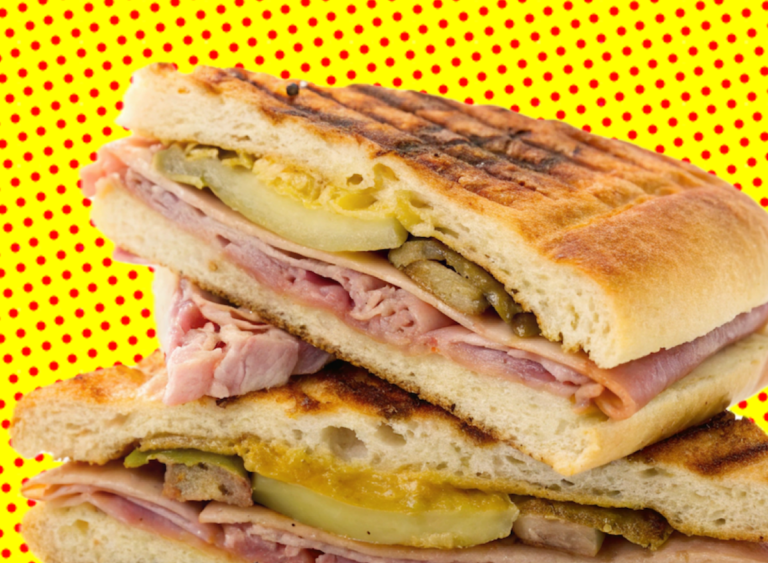
The Cuban sandwich represents one of the most perfectly balanced handheld meals in American food culture. The combination of savory roasted pork, salty ham, melted cheese, tangy pickles, and sharp mustard all pressed into a crispy exterior creates layers of flavor and texture that work in concert. Yet executing this balance across different restaurant kitchens requires attention to detail and respect for the sandwich’s foundations. Therese Buchanan, a home chef, food blogger, and recipe developer at Tessie’s Table, identifies several chain restaurants that excel at this challenge, each bringing their own interpretation to the classic sandwich.
Sophie’s Cuban Cuisine: Traditional Excellence
Staying True to the Original Formula
Sophie’s Cuban Cuisine has built its reputation by adhering closely to the traditions that established this sandwich as a beloved staple. Rather than experimenting with unexpected additions or modern twists, the restaurant focuses on getting the fundamentals right. According to Buchanan, “Sophie’s Cuban Cuisine makes one of the most traditional Cuban sandwiches you’ll find at a chain. Roasted pork, ham, Swiss cheese, pickles, and mustard are layered on Cuban bread before being pressed until the outside is crisp and the cheese is perfectly melted.” This commitment to simplicity and proper execution sets a high standard for what a traditional Cuban sandwich should deliver.
The Importance of Proper Pressing Technique
The pressing stage is where many restaurants falter, either overdoing it and squashing the bread into a dense mass or underdoing it and leaving the cheese unmelted. Sophie’s Cuban Cuisine understands that the press serves a specific purpose: creating a crisp exterior while fully melting the cheese to bind all components together. The result is a sandwich where every element maintains its integrity while working as a unified whole.
The Cheesecake Factory: Generous Chain Restaurant Interpretation
Filling Abundance Without Losing Balance
The Cheesecake Factory’s extensive menu includes a Cuban sandwich that demonstrates how chain restaurants with diverse offerings can still deliver thoughtful food. The sandwich brings together roasted pork, ham, Swiss cheese, pickles, and mustard on toasted bread. Buchanan notes that the sandwich is “generously filled with roasted pork, ham, Swiss cheese, pickles, and mustard on toasted bread” and observes that “the pressed sandwich has a crisp exterior while the pork stays tender and flavorful.” This attention to preventing the protein from becoming dry or tough is crucial for a satisfying eating experience.
Texture Preservation Through Careful Cooking
One challenge large chain restaurants face is maintaining meat quality when producing sandwiches at volume. The Cheesecake Factory manages to keep the pork tender despite the pressing and toasting process, suggesting careful control over cooking times and temperatures. The crisp exterior and tender interior represent the two most important textural elements in a pressed sandwich.
Lazy Dog Restaurant & Bar: Modern Execution
Lazy Dog Restaurant & Bar takes a contemporary approach to the Cuban sandwich while respecting its essential flavors. The kitchen uses slow-cooked pork as its centerpiece, combining it with classic accompaniments including ham, Swiss cheese, pickles, and mustard. The bread receives a toasting that creates the necessary crunch. Buchanan explains that “Lazy Dog puts its own spin on the Cuban by using slow-cooked pork with classic toppings like ham, Swiss cheese, pickles, and mustard. The bread is toasted until crisp, giving the sandwich a satisfying crunch with every bite.” The slow-cooking method for the pork represents a meaningful departure from traditional roasting, yet it achieves similar results through a different technique—extended cooking time that breaks down connective tissue and creates tender meat.
Papi’s Cuban & Caribbean Grill: Regional Chain Excellence
Building Reputation Through Signature Details
Although Papi’s Cuban & Caribbean Grill operates fewer locations than national chains, it has earned recognition for maintaining genuine connections to Cuban culinary traditions. The restaurant’s Rey’s Cuban Sandwich exemplifies this commitment. According to Buchanan, the sandwich “layers slow-roasted pork, ham, Swiss cheese, dill pickles, mustard, and the restaurant’s signature sauce on authentic Cuban bread before pressing it until golden and crisp.” The inclusion of a signature sauce represents one meaningful differentiation point—a restaurant-specific element that distinguishes their version from competitors while enhancing the flavor profile.
Balancing Familiar and Distinctive Elements
Buchanan adds that Rey’s Cuban Sandwich achieves “a classic done right with tender pork and just the right balance of savory and tangy flavors.” This assessment highlights the challenge of adding proprietary touches without overwhelming the sandwich’s essential identity. The signature sauce complements rather than dominates, allowing the core ingredients to remain recognizable while adding depth.
Jimmy John’s: Unconventional Interpretation
Jimmy John’s Cubano represents the most significant departure from traditional Cuban sandwich form. The sandwich combines smoked ham, pulled pork, provolone, pickles, garlic aioli, mustard, onions, and oregano-basil on fresh French bread. Rather than the Cuban bread and traditional structure, Jimmy John’s draws from its sandwich-shop expertise and applies those techniques to Cuban-inspired flavors.
Buchanan acknowledges that “while it’s delicious, it’s not a traditional Cuban, but the smoky pork, tangy pickles, and toasted bread still deliver the flavors people expect.” The substitution of provolone for Swiss cheese, the addition of garlic aioli and oregano-basil, and the choice of French bread over Cuban bread all mark this as a modern reinterpretation. The smoked ham instead of traditional ham, combined with pulled pork rather than roasted pork, creates a distinctly different eating experience. Yet the core sensory elements—smoke, tang, salt, and contrast between crisp bread and soft filling—remain recognizable to someone familiar with traditional versions.
Where These Chains Succeed
The success of these five chain restaurants in delivering quality Cuban sandwiches demonstrates that this classic can thrive outside its historical Cuban-American community settings. Whether through unwavering commitment to tradition, careful attention to ingredient quality, creative reinterpretation, or the strategic addition of signature touches, each restaurant has found a path to relevance and customer satisfaction.
Frequently Asked Questions
Which chain restaurant serves the most traditional Cuban sandwich?
Sophie's Cuban Cuisine serves the most traditional version, featuring roasted pork, ham, Swiss cheese, pickles, and mustard on Cuban bread pressed until crisp with melted cheese.
What makes Jimmy John's Cubano different from other chains?
Jimmy John's Cubano uses smoked ham, pulled pork, provolone, pickles, garlic aioli, mustard, onions, and oregano-basil on French bread, making it a modern reinterpretation rather than a traditional approach.
How do these chain restaurants keep the pork tender in their Cuban sandwiches?
Restaurants like The Cheesecake Factory and Lazy Dog use careful cooking techniques—roasting or slow-cooking—to maintain meat quality and tenderness despite the pressing and toasting process.
